



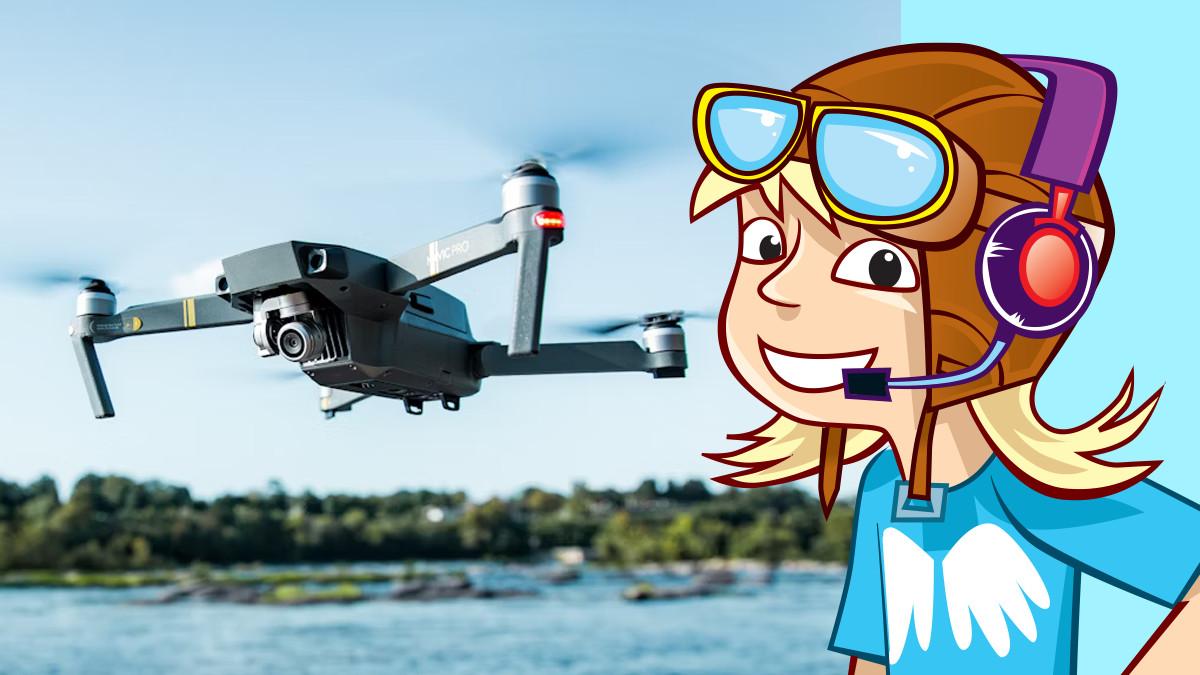
Drones – those buzzing flying machines that fly without a human pilot onboard and are controlled either remotely or by themselves using clever computer brains. Like little flying robots… with wings!
They’re technically called UAVs, that stands for Unmanned Aerial Vehicles. And they can help with all kinds of jobs.
When drones were first used, they primarily helped with things like surveillance and monitoring, keeping an eye on things from the sky.
But now, they’re used for a wide range of tasks – from checking crops and key infrastructure to fighting fires, filming movies, helping with search and rescue missions and check this out – they can even deliver takeaways!

Delivery drones are one of the fastest growing areas – and not just for tasty treats. They’re proving great for delivering food and medicines… especially in remote areas where there are no roads. And even carrying blood samples between hospitals. It’s like having a flying doctor’s bag!
They’re also helping real life heroes every day. In disaster zones, drones can help find missing people, deliver aid and assess damage after earthquakes or floods.
They’re eco-friendly too – powered by light-weight rechargeable batteries.
Drones do have limits, bad weather like strong winds and heavy rain can cause trouble. That’s one of the challenges engineers are working on right now.
Technology is improving fast and the future for drones is very exciting. They are becoming more autonomous, meaning they don’t need as much help from humans. They’ll also have more powerful batteries which means longer flight times, and by using smart sensors and AI, drones can fly and decide things all on their own!
That’s where good coding and cyber-security comes into play… placing restrictions on what they can do and where they can go.
Most drones we see today operate with a number of rotating blades. But future drones might work slightly differently – getting off the ground vertically before transitioning into more traditional horizontal winged flight. This would be good when things have to travel further. They might also be quieter.
To keep the skies safe, we need special air traffic systems just for drones so they don’t bump into planes, buildings… or each other.
Plus drones must follow strict rules. They can’t fly above 400 feet or near airports because of the risk of collision with aircraft. And because they can get a birds eye view, drones need to respect people’s privacy.
Drone careers are taking off… You could be an engineer coming up with new designs, or a drone delivery operator… sending out the doughnuts, or perhaps someone who uses a drone to help their jobs, like wildlife trackers or a film cameraman. The drone future is bright. With more AI, better sensors and even drones that work together in swarms like bees. You might have seen this sort of tech used in illuminated displays – quieter than fireworks! Drone are certainly changing the way we fly, one buzz at a time.
CLICK HERE to find out more about STEM careers in aviation and aerospace with the CAA. Aviation and aerospace needs to be ready for the future and it needs different talent, ideas and values to make that happen. They need talented people like you!
MOBILE: Amy's Aviation: Kids Guide to Airplanes & Airports
The podcast that discovers how airplanes fly and what goes on behind-the-scenes at airports
AMY AVIATION – REACHING FOR THE SKY
CREATED WITH SUPPORT FROM A CAA REACH FOR THE SKY CHALLENGE GRANT – FIND OUT MORE AT CAA.CO.UK
Add a commentAmy’s Aviation
Join Amy Aviation on her quest to find out more about planes and special places!
More From Amy’s Aviation