
 Apple Podcasts
 Spotify
 Player FM
 Pocket Casts
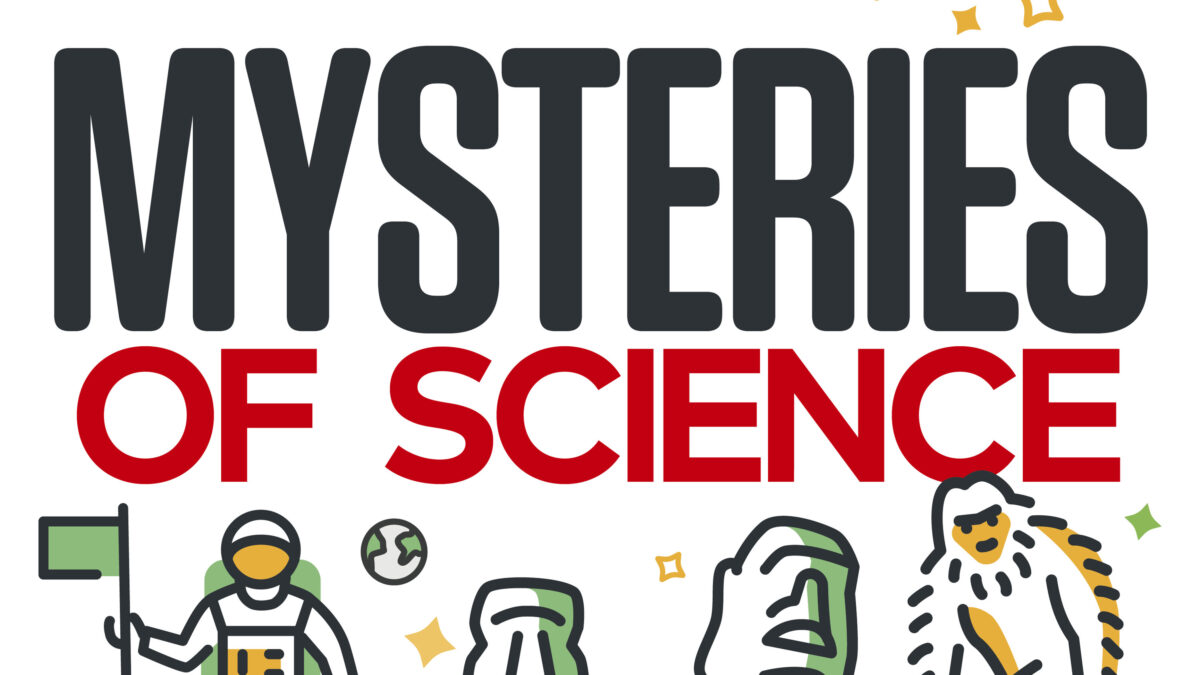
Dan and Michael explore the biggest mystery of them all: how did everything begin?
Around 75 years ago, British astronomer Fred Hoyle went on the radio and used the term “Big Bang” for the very first time. The odd thing is, he was making fun of it. He didn’t believe a word of it, and he never changed his mind.
So how do we know the Big Bang really happened? Astrophysicist Dr Maggie Lieu from the University of Nottingham explains how Edwin Hubble worked out that the universe is expanding, and why that means everything must have started from one infinitely small, infinitely hot point. She also tells the story of the two scientists at Bell Labs who found the leftover glow of the Big Bang, but spent ages scrubbing pigeon poo off their antenna first because they were convinced the signal was just noise.
Then theoretical astrophysicist and science communicator Ethan Siegel explains why Fred Hoyle was so against the idea, how he turned out to be right about where carbon, nitrogen and oxygen come from, and what might happen at the other end of the story. Will the universe end in a big crunch, freeze forever, or do something nobody expected?