



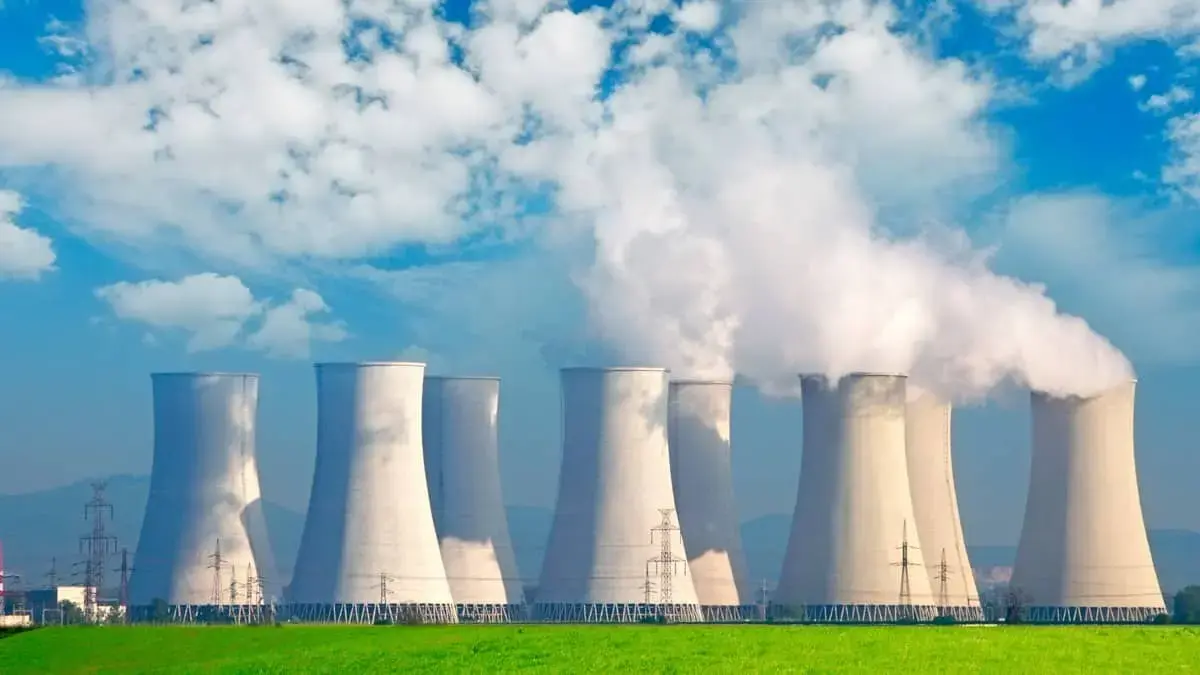
Here’s the need-to-know stuff about the energy source, Uranium (Nuclear Power)!
Description
Uranium is a silvery-black metal. Uranium ore is mined from deep underground.
Where can you find Uranium?
Uranium can be found in many places but Australia and Canada are the largest exporters.
How is it made into electricity?
Uranium atoms split and release energy in a process called nuclear fission. This energy heats up the uranium. This heats water to produce steam that turns the blades of a turbine. These are attached to a generator which produces electricity.
What are the advantages of using nuclear power?
- Nuclear power is relatively cheap to produce; it costs about the same as producing electricity from coal.
- It does not contribute much to the greenhouse effect because it produces very little carbon dioxide.
- A large amount of electricity can be produced from a relatively small amount of fuel.
- It produces small amounts of waste compared to other forms of energy generation.
What are the disadvantages of using nuclear power?
- Although the amount of waste produced is very small, it is highly dangerous.
- The initial costs to build a nuclear power station can be very high.
- Generating electricity can be quite inefficient – only a tiny percentage of the fuel is used although we’re getting better at using more.
- Nuclear waste must be sealed up and buried for many years to allow the radioactivity to die away. A nuclear leak would contaminate the surrounding area with lethal toxic waste.
- It does not use a renewable resource; when the uranium is used up it cannot be replaced.
- It is very difficult to turn off a nuclear power station.
📖 Words to know
- Nuclear power
- Energy from inside atoms, used to generate huge amounts of electricity.
- Fission
- Splitting an atom in two, which releases energy.
- Generator
- A device that turns movement, like spinning steam-driven blades, into electricity.
- Carbon emissions
- The carbon released into the air when something is burned.
⚠️ Watch out!
🎧 Listen and watch
- Transmitting Electricity — how electricity travels across the country.
- Grid for Good: Energy Dilemmas — the tricky choices countries face when deciding how to make power.
How much do you know about nuclear power?
What happens inside a nuclear reactor?
- Atoms are split, which releases energy
- Coal is burned
- Water is frozen
- Magnets are rubbed together
Does a nuclear power station give off much carbon dioxide while making electricity?
- No, very little
- Yes, more than coal
- Yes, about the same as gas
- Only in summer
What is the tricky part of nuclear power?
- The waste stays radioactive for a very long time
- It needs a lot of wind
- It only works at night
- It uses up all the water
We’ve got a whole series about energy, electricity, and power generation! It’s called Curious Kate, and you can listen to it below!
Add a comment