

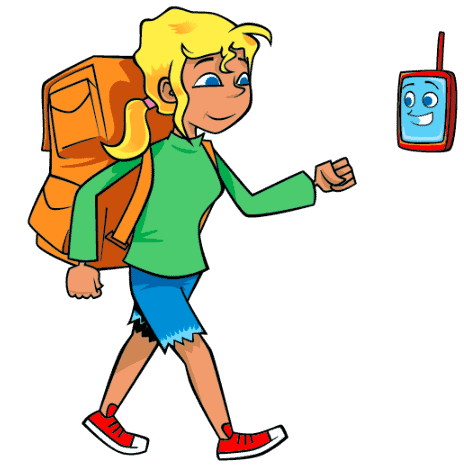
Hi guys! Marina Ventura here.
Map App and I are on a mission to explore how we might generate our own electricity in the future… and distribute it to local people around us.
Wanna come too? Excellent!
We’ve been discovering how future power can be generated closer to where it’s used and why the National Grid needs to change.
We’ve also seen how communities, schools, hospitals and factories can work together if there’s problems, and how smart technology helps keep everything running smoothly.
But now it’s time for the biggest challenge of all.
It’s YOUR turn to become a micro-gridder! We’re handing over control of the future grid to you.
Your mission is simple. Imagine you’re designing a microgrid for your street, community, shopping centre…
Or perhaps something bigger like a new transport hub, hospital complex or major industry park
Or how about a giant theme park, sports complex or secret underwater base!
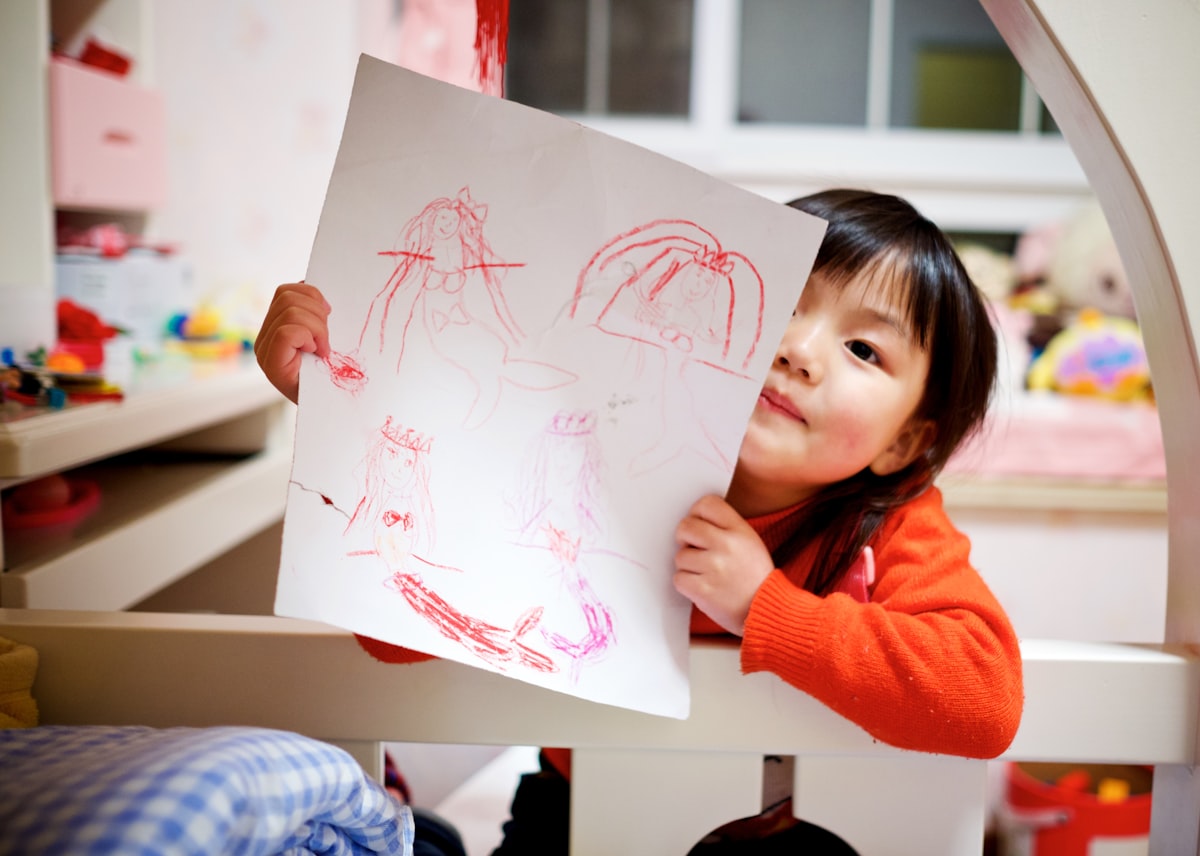
Designing a microgrid is a bit like playing a very big balancing game. And to help make it work, here’s some important things to think about.
Four giant buckets of brainpower!
Bucket one… WHERE DOES THE POWER COME FROM?
Engineers call this the energy mix. Imagine if your grid only used solar panels. Great on a sunny day… Not so great at night or when cloudy.
That’s why future grids use different renewable energy sources. Solar panels to collect energy from the sun. Wind turbines to turn breezes into electricity. Hydro systems using flowing water. Some might even capture kinetic energy from people walking, running, dancing or jumping on special floor tiles. Imagine powering a school disco just by dancing!
So you need to decide on what mix of power your microgrid will have. And you can get really creative with this – it could be something that doesn’t exist yet!
Bucket two… HOW DOES THE ELECTRICITY GET AROUND?
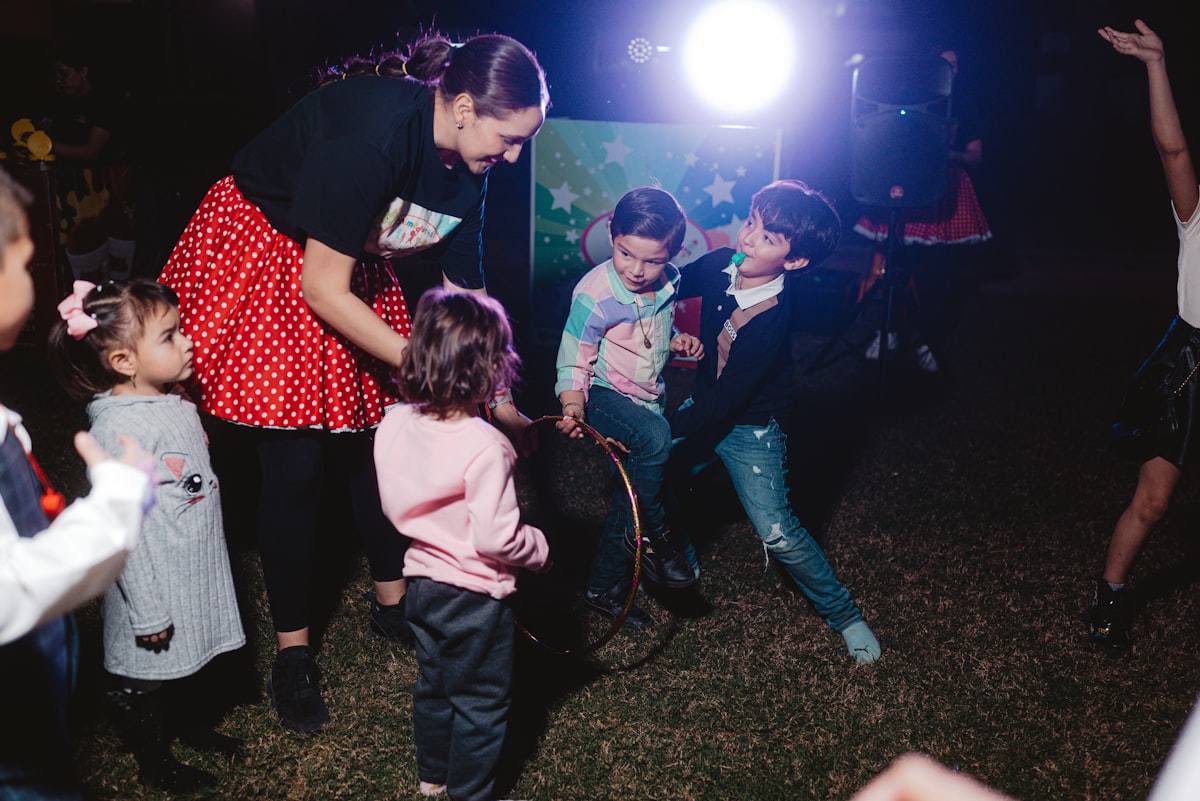
Electricity needs pathways – the National Grid transmission lines carry electricity over long distances, whilst local distribution lines bring it into neighbourhoods and homes. It’s like a giant road network with motorways, main roads and side streets.
So if your microgrid makes extra electricity, with enough pathways around your neighbourhood and to the outside grid, you can share it with somewhere else. And other people can share theirs with you.
So you need to think about how your microgrid helps energy travel around.
Bucket three… WHAT HAPPENS WHEN THE SUN DOESN’T SHINE?
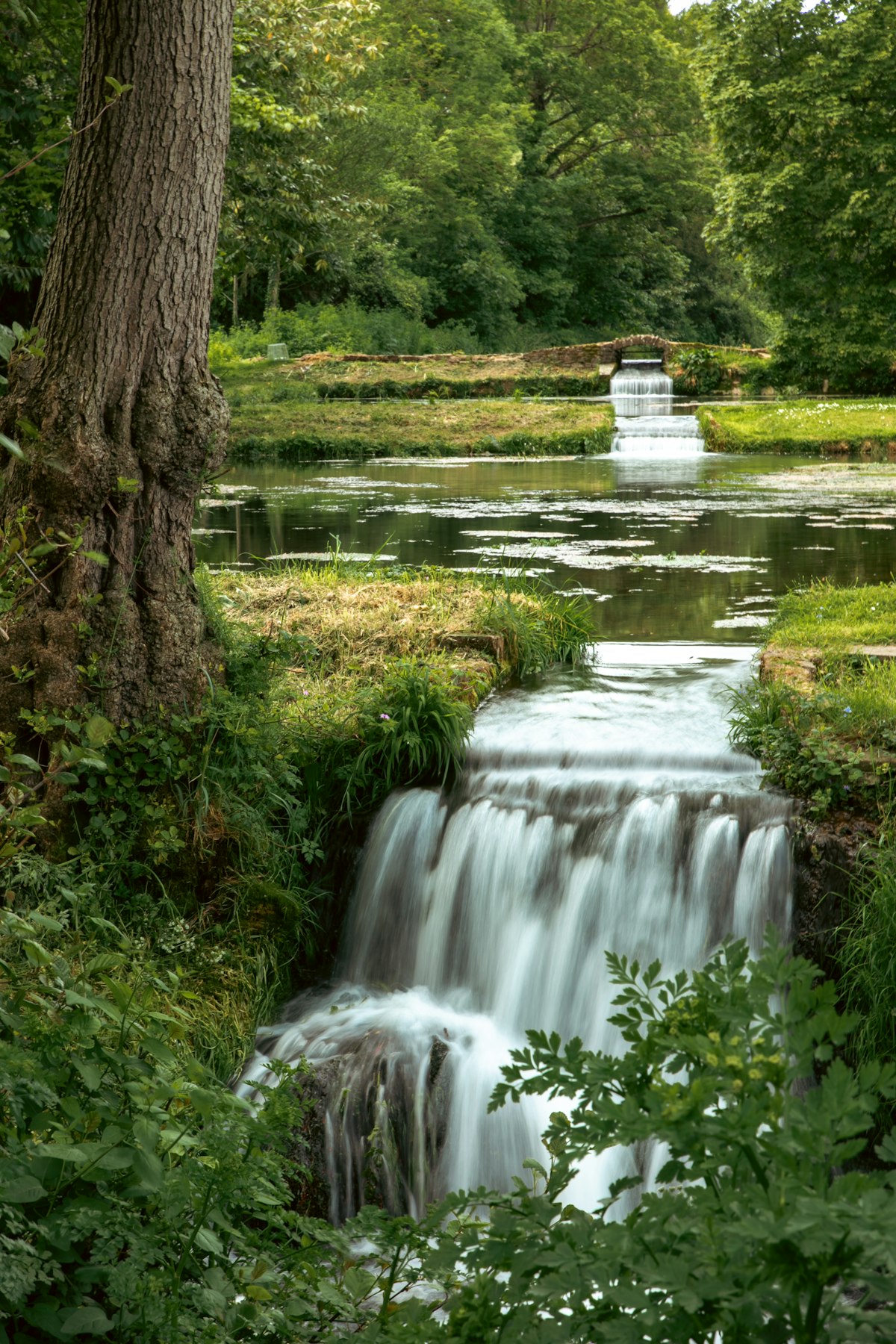
Future grids need ways to save electricity for later… like giant rechargeable power banks that store electricity generated during sunny and windy periods and release it later. So you need to think about how your microgrid will save energy.
Bucket four… THE BRAINS!
Microgrids aren’t just powerful, they’re smart… using smart meters to see exactly how much electricity is being used and monitor demand to change the amounts shared around the network.
Ok, let’s see how we can put these four buckets into practise… let’s say you’re designing a microgrid for a zoo. Where could the power come from?
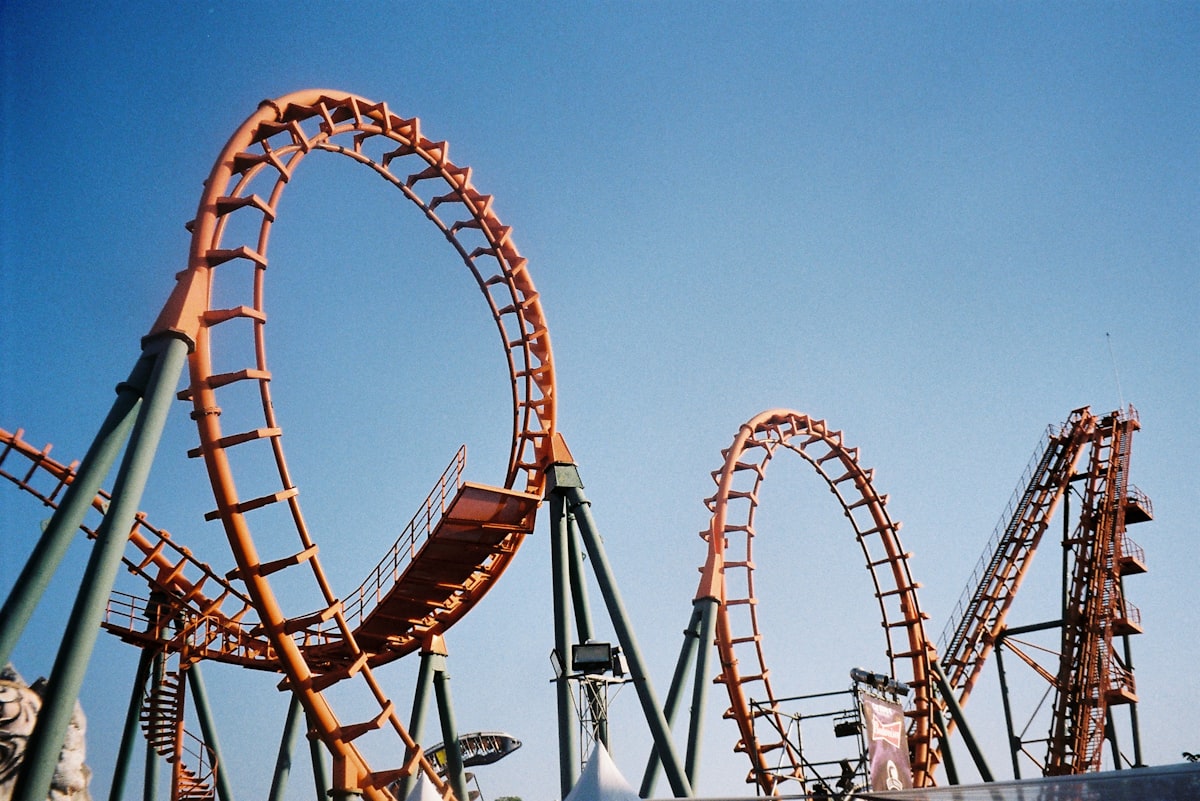
Solar panels on the roof of the animal houses… and wind turbines in the animal enclosures. The pathways around the zoo could have kinetic pads and generate power from everyone walking around!
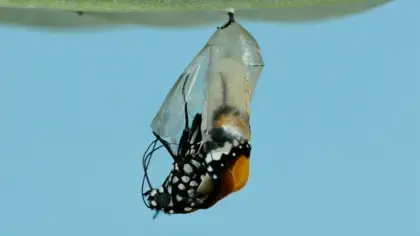
And to store electricity, there could be batteries behind the butterfly house. And the electric ranger jeeps could be plugged in by the main gates, and release energy to power the pavement lighting so visitors don’t end up in with the lions by accident! Think about how you would keep it smart and secure.
Perhaps smart technology could monitor the enclosures, and if they spot any chilly cheetahs or sweaty snakes, and turn the heat up or down.
Congratulations! You’re thinking like a micro-gridder.
Marina Ventura… and the Micro-Gridders
Made with support from Grid for Good by the National Grid
 Apple Podcasts
 Spotify
 Player FM
 Pocket Casts
MOBILE: Marina Ventura: Kids Guide to Our Planet
The podcast exploring the environment, ecology, oceans and climates on our planet Earth.