


Hi guys! Marina Ventura here.
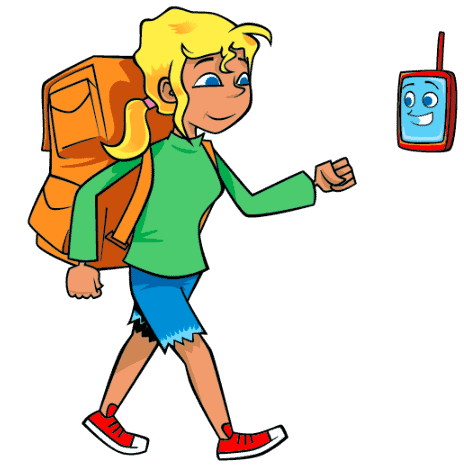
Map App and I are on a mission to explore how we might generate our own electricity in the future… and distribute it to local people around us.
Wanna come too? Excellent!
As well as wind and solar power, another way that we can generate electricity at home to keep our lights on and power our gadgets, as well as heat our houses at the same time is called Combined Heat and Power or ‘CHP’ for short.
When big power stations make electricity, they generate lots of heat which is normally just released into the atmosphere through cooling towers.
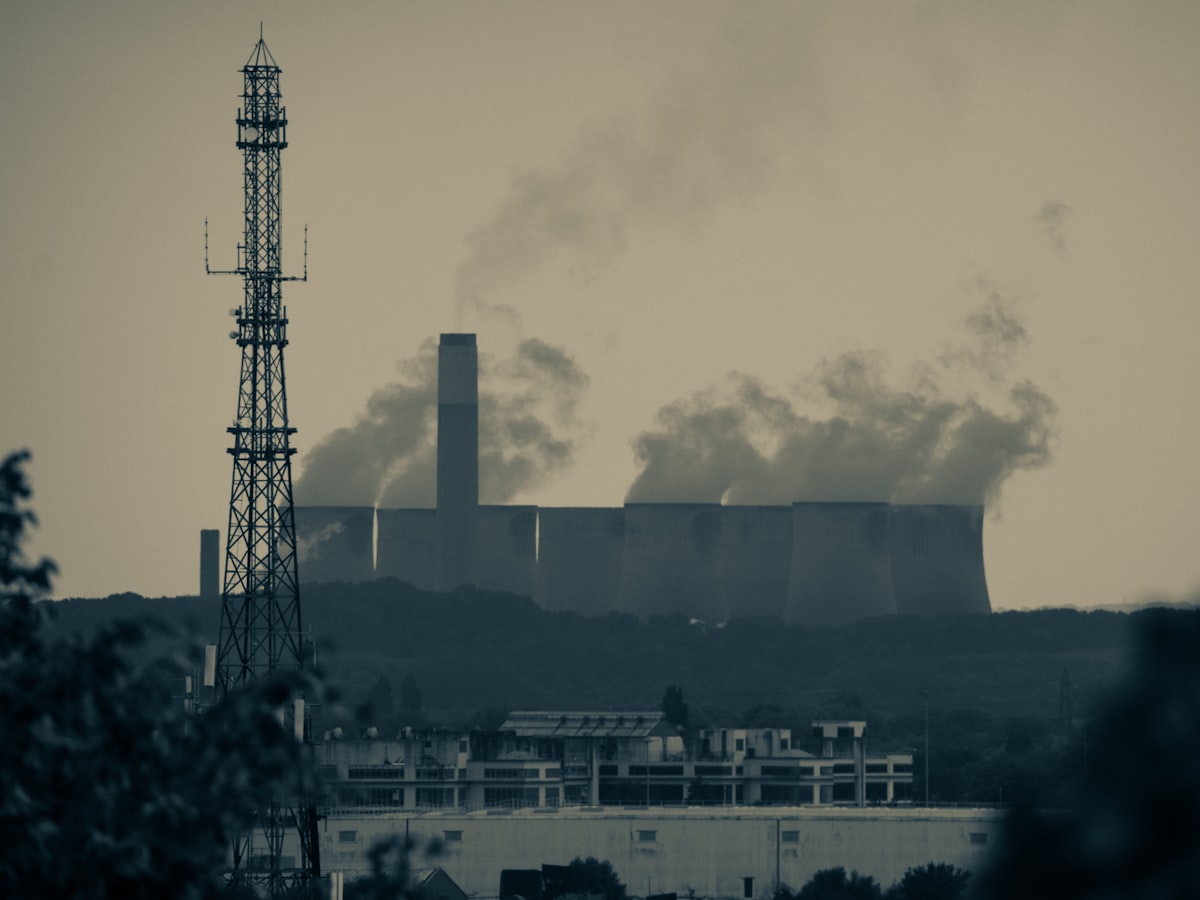
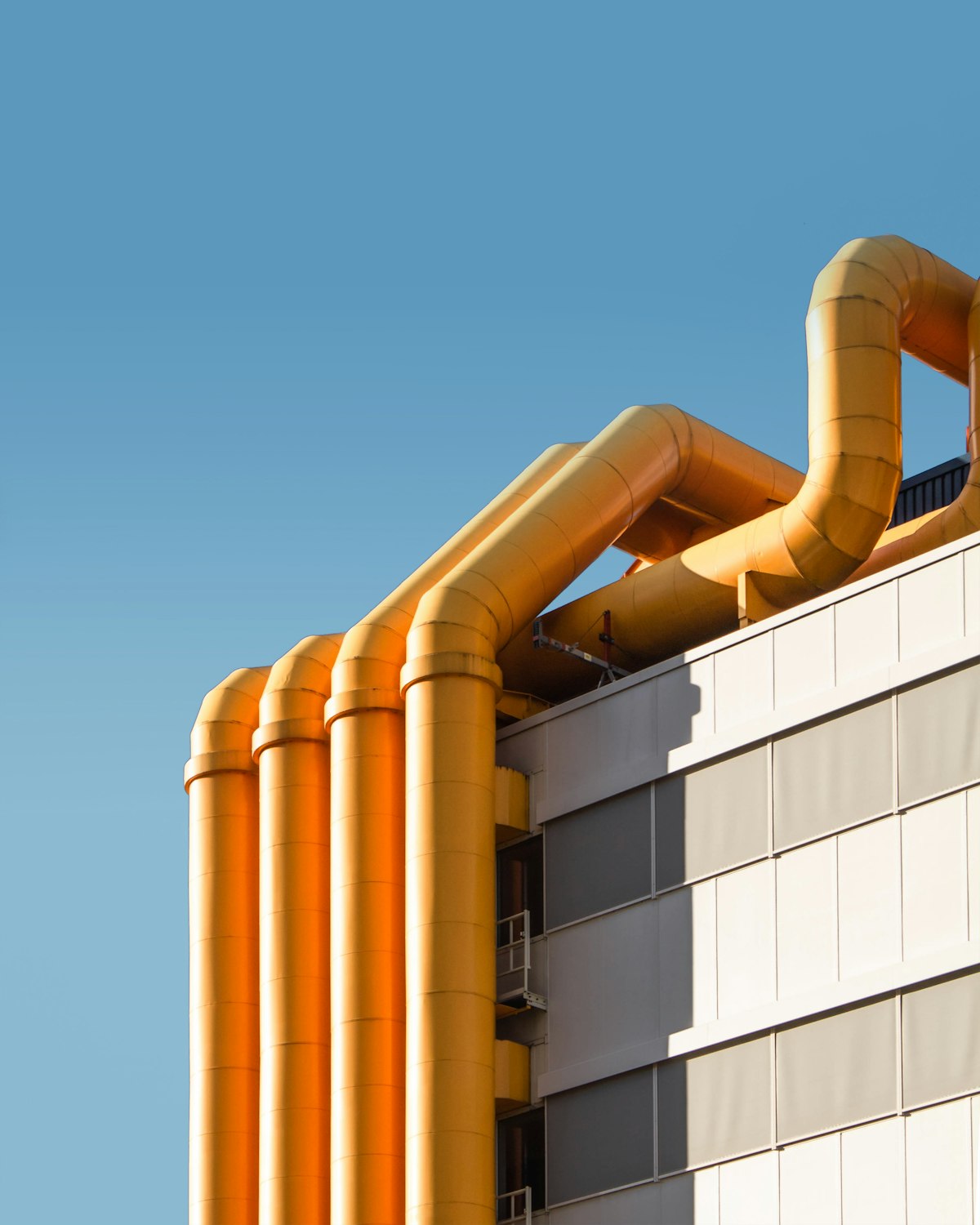
But if you can catch that heat, there’s many benefits. Many European countries do capture it and pump it as hot water through extensive pipe networks directly to residential and commercial buildings – it’s something called ‘district heating.’
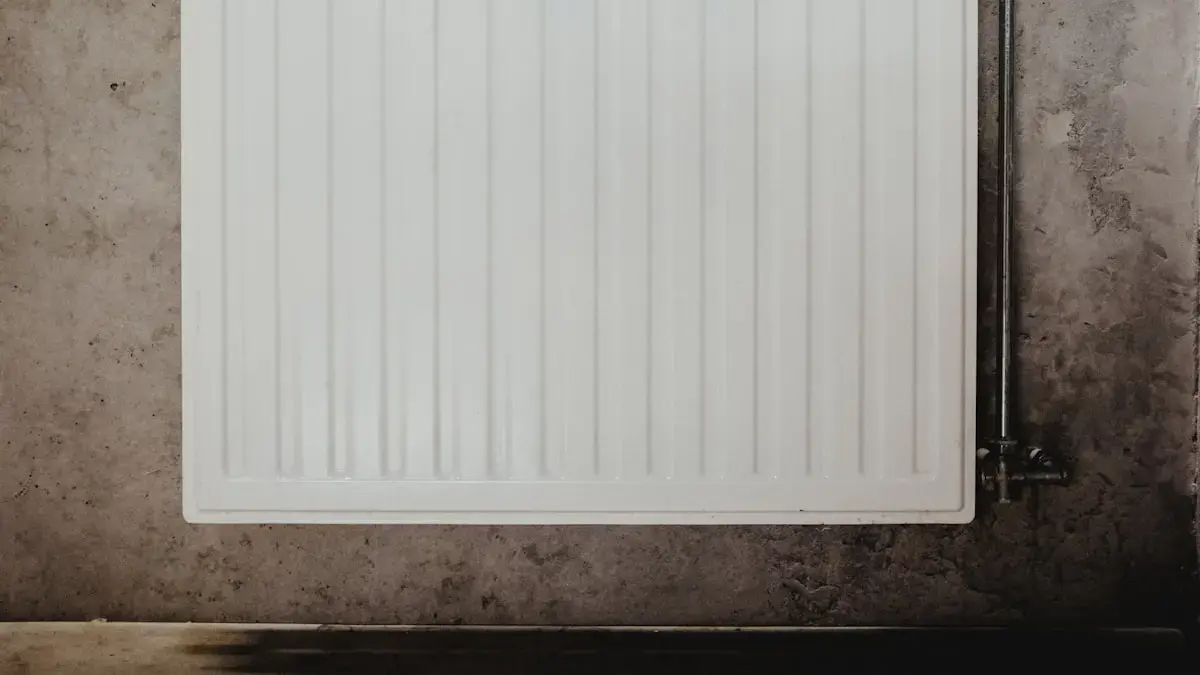
And if we generate electricity at home, we can also collect that heat and keep the radiators and bathwater happily hot!
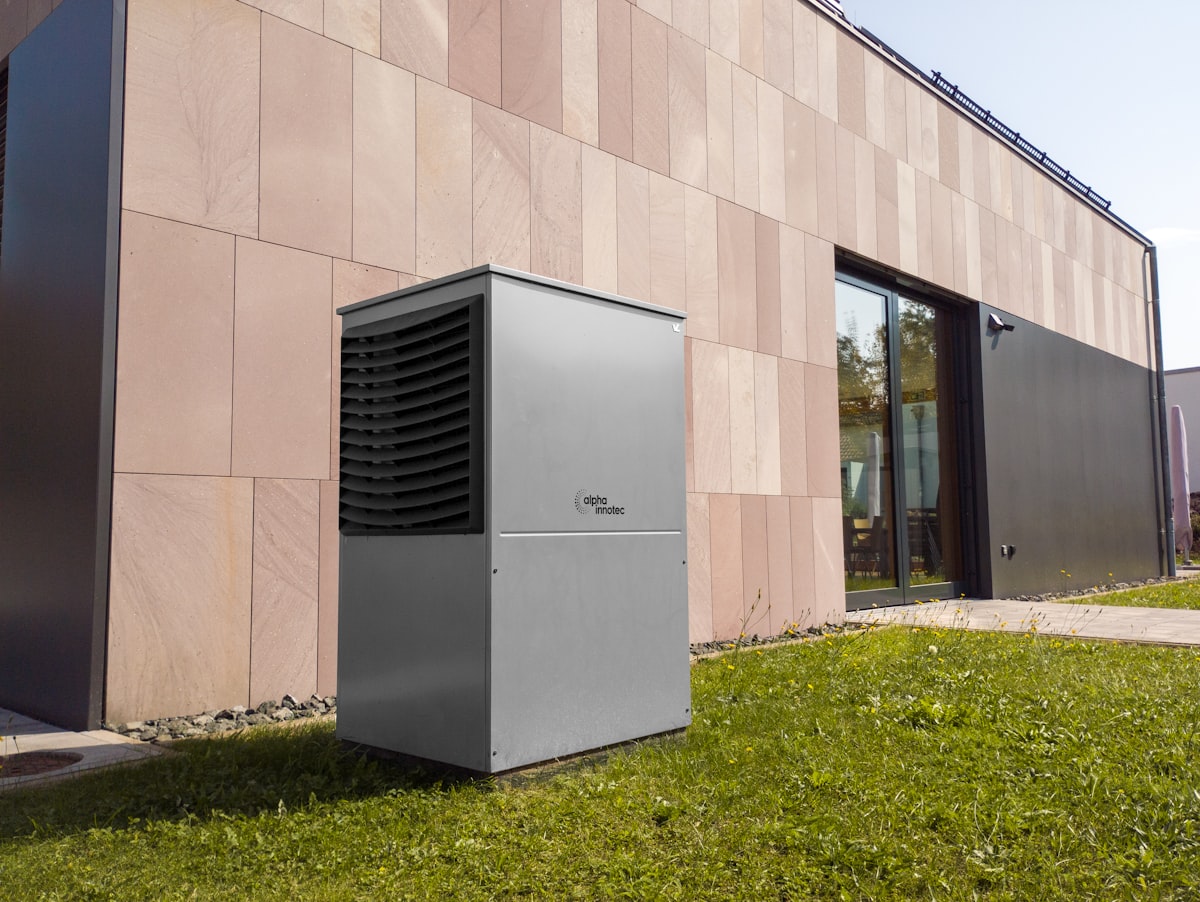
An interesting fact is that while large power plants are only say 40% efficient because they waste so much heat, a home CHP system can be up to 80% efficient because it uses almost every bit of energy from the fuel.
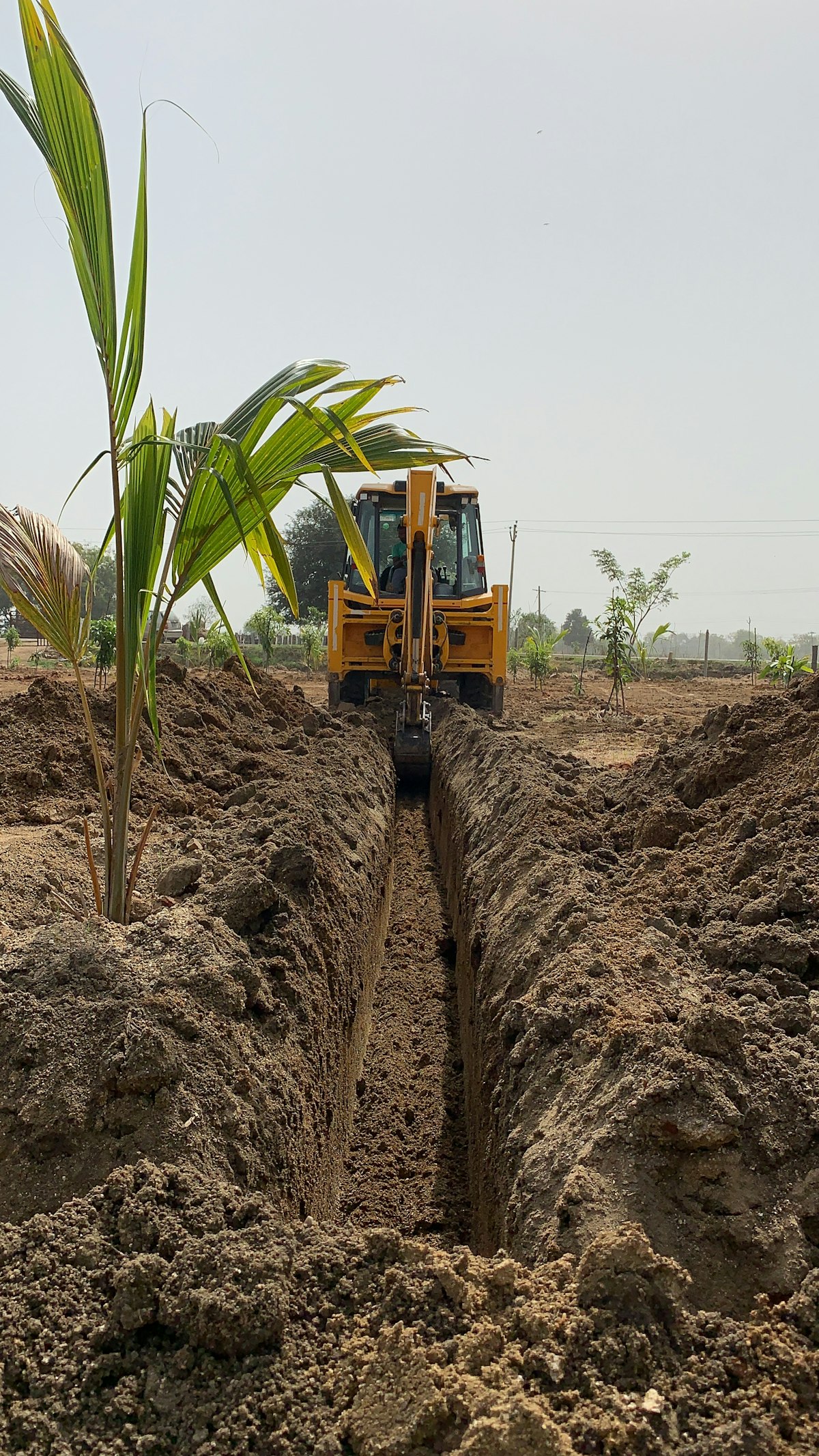
Another way we can make sure we use every last bit of heat is by making better use of technology like Ground Source Heat Pumps. This is quite a simple idea – pipes carrying cold water run underground where it’s warmer. That heat warms up the water in the pipes which then come back up to warm our homes up. It’s a large circular heat exchange!
And this can help a microgrid if communities connect their individual heat pumps into a network, technology can help manage and distribute that heat around the microgrid to make sure everyone has exactly the right amount of heat – when they need it!
IT’S THE MIGHTY MICRO GRIDDERS!
Hi Marina, our micro-grid plan is coming along, but any more advice about heating our homes and buildings? We don’t want to get cold in winter!
Definitely think about including CHP systems in the mix to take advantage of all that heat that would otherwise be wasted! They’re only about the size of a standard household boiler and so can easily fit within a home or a garage.
And don’t forget to think about biomass generators. They turn organic waste, food scraps and even wood pellets into heat and power. Top Tip: The perfect location for biomass generators is just outside of a town… close enough to plug into the neighbourhood grid, but far enough away from homes so the noise won’t bother anyone.
One further thing to think about in your plan is to have more than one source of energy. Combining two or more different sources helps make sure that the power remains on when one source isn’t producing.
So whether it’s sunshine, wind or clever heat-saving systems The future grid is becoming smaller, smarter and more local.
Instead of one giant power station doing everything… millions of homes and communities can all pitch in together. And that means cleaner energy… more reliable energy… and smarter energy!
And here’s a great fact… the Sun delivers more energy to Earth in one hour than we use in an entire year. Imagine if we could capture all of the sun’s energy!
Marina Ventura… and the Micro-Gridders
Made with support from Grid for Good by the National Grid
 Apple Podcasts
 Spotify
 Player FM
 Pocket Casts
MOBILE: Marina Ventura: Kids Guide to Our Planet
The podcast exploring the environment, ecology, oceans and climates on our planet Earth.