

Hi guys! Marina Ventura here.
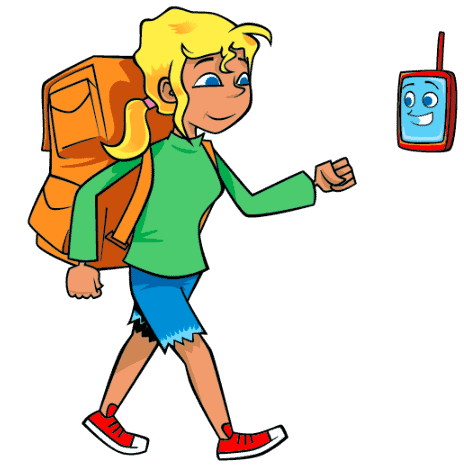
Map App and I are on a mission to explore how we might generate our own electricity in the future… and distribute it to local people around us.
Wanna come too? Excellent!
As we’ve seen, we can generate electricity around our homes and communities using a range of technology – wind, sun and heat… which is great for the environment and can save money.
But as we know, sometimes it’s not sunny or windy enough to generate enough renewable electricity to meet our needs… and other times we might generate more than we need. So what can we do?
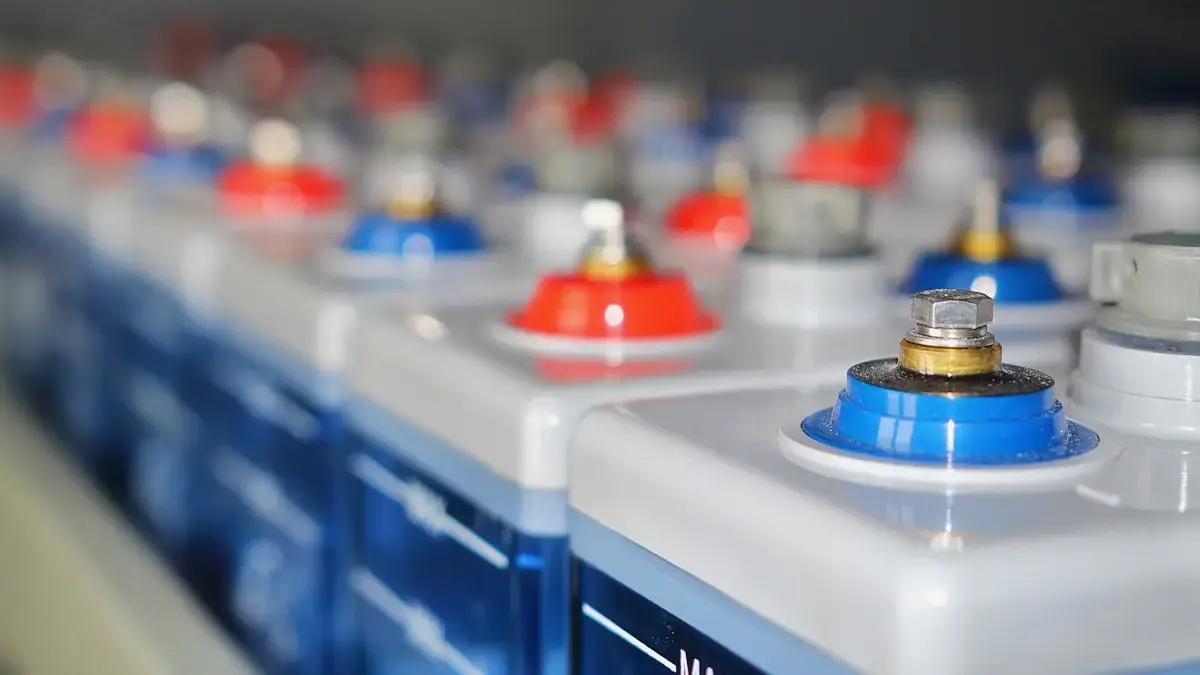
Using technology we can save any excess electricity that we generate to use later on when we need it and one of the coolest ways to store electricity is with something called a BESS. That stands for Battery Energy Storage System. Which sounds very serious… it’s basically a giant rechargeable battery. Think of a power bank for your phone… except this one could help power an entire house!
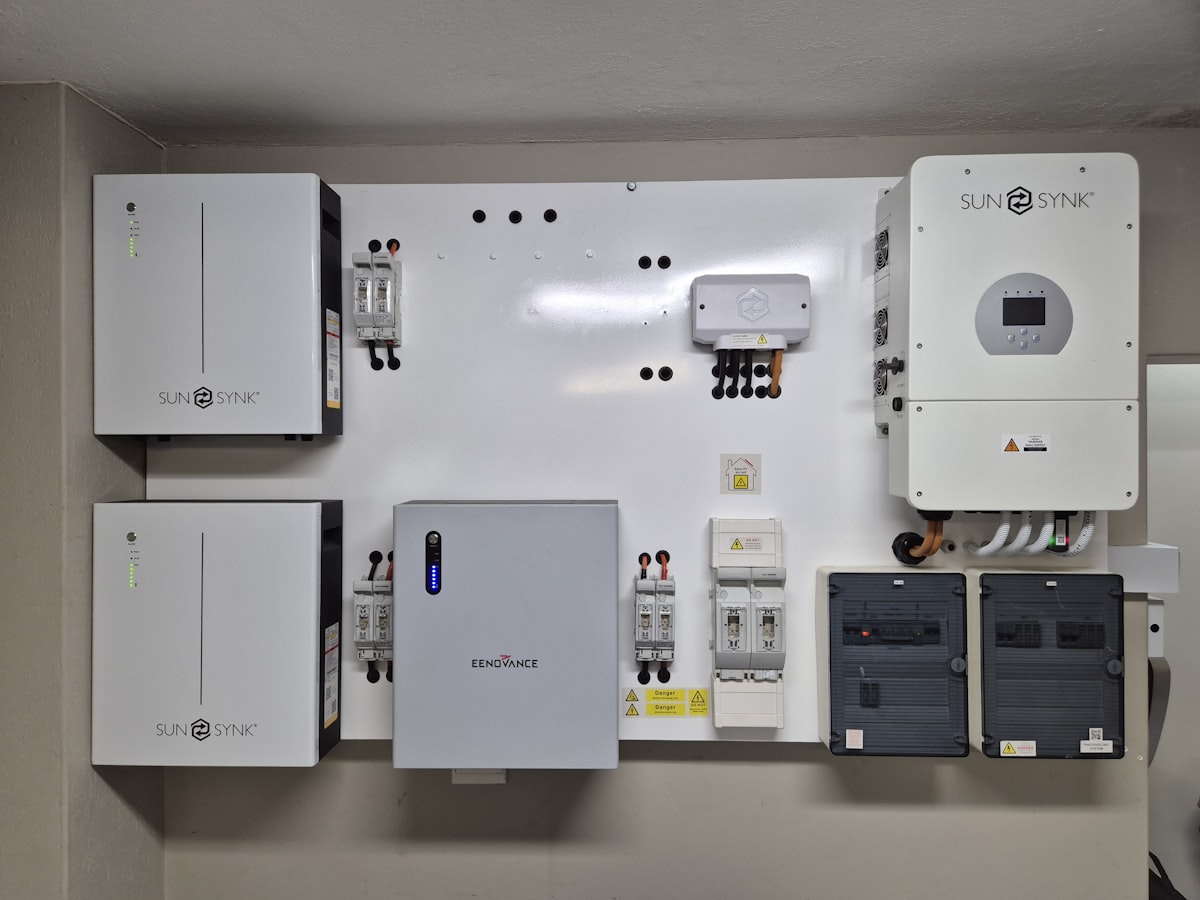
During the daytime, solar panels might make more electricity than the family needs, so instead of wasting that extra energy, the BESS gobbles it up like a hungry electricity hamster.
Then later, when the sun goes down… or someone turns on the TV, dishwasher, oven, games console and kettle at the same time… BESS sends that stored energy back into the house.
It’s like keeping snacks in the cupboard for later, except the snacks are electrons. But how does it actually work?
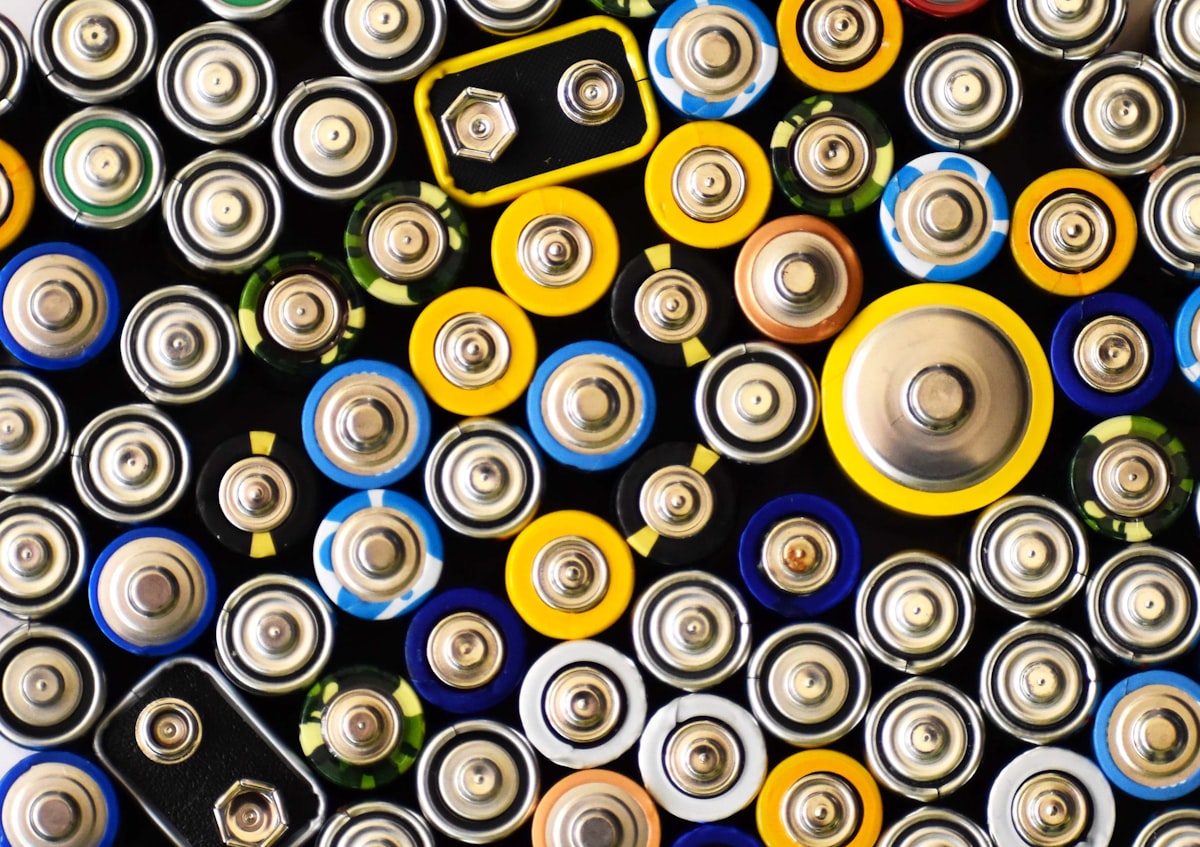
Inside the BESS are three super-important parts.
- There’s a battery pack itself, usually made with lithium-ion batteries, a bit like the ones in laptops or tablets.
- Then there’s an inverter, which is basically an electricity translator! It changes the power into the kind your TV and toaster understand.
- And finally… a Battery Management System watches everything carefully to stop the battery overheating or running out too fast – it’s like having a robot lifeguard for electricity.
So battery systems – including ones that are part of local micro grids are a vital part of our energy networks.
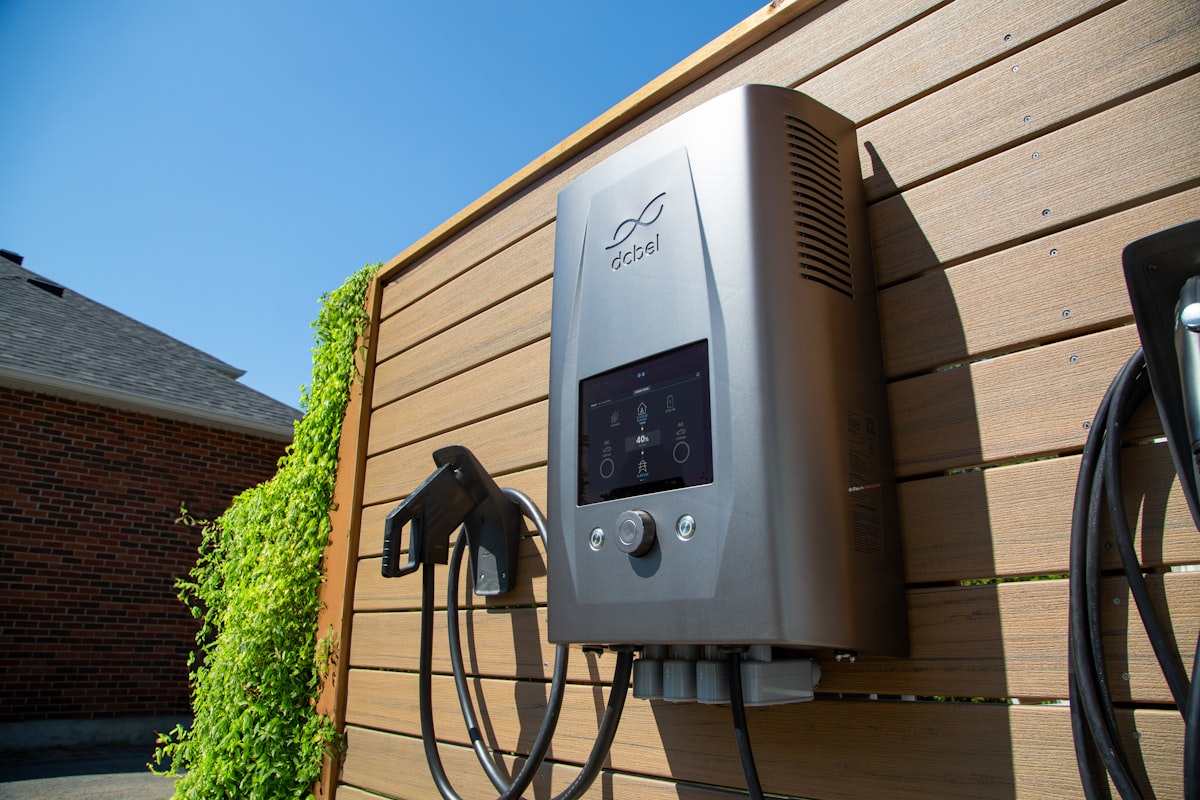
And there are even more benefits to batteries! They can jump in quickly and help steady the system so the grid doesn’t get overloaded. And by storing cheap electricity overnight to use later they can save money too!.
If there’s a power cut, some home battery systems can keep lights, fridges and devices running, like your own mini emergency power station. In fact a big grid battery site can respond to changes in electricity demand in less than a second. That’s faster than you can blink!
And whilst the UK’s biggest batteries can store enough electricity to help power hundreds of thousands of homes: Some home battery systems are about the size of a small fridge or a suitcase hanging on the wall.
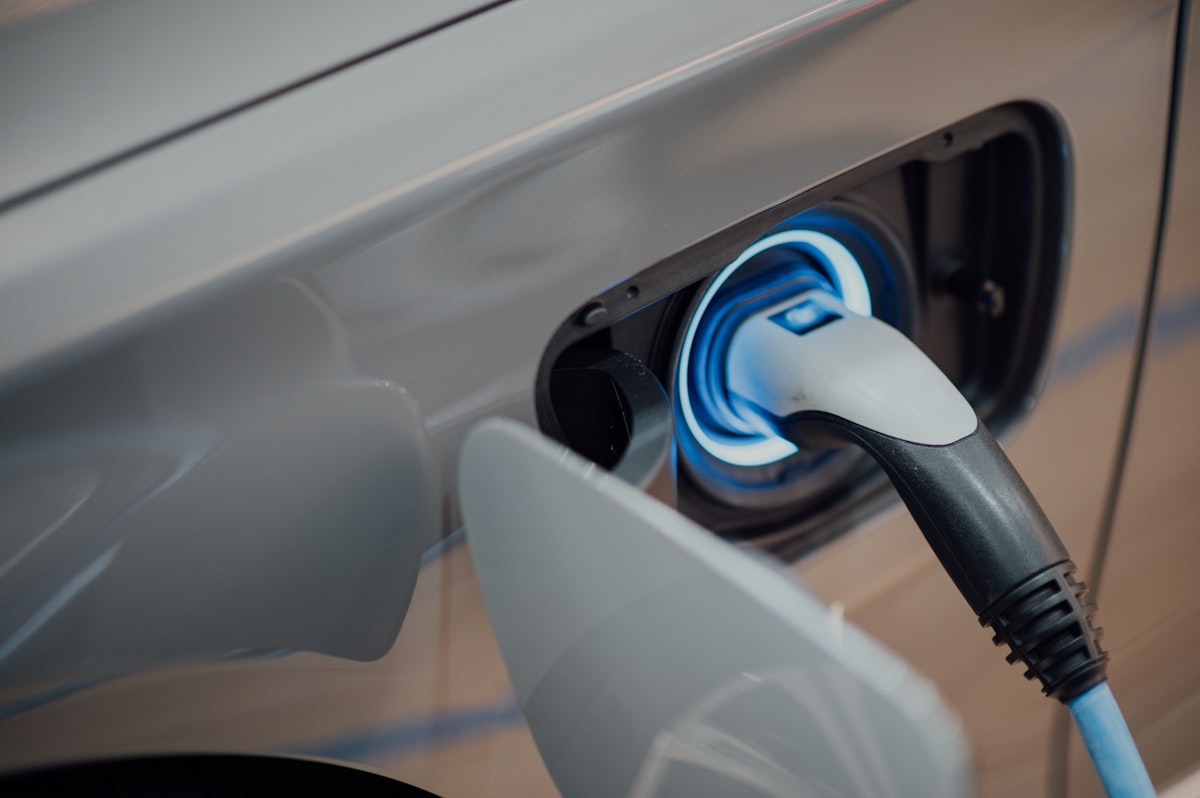
But batteries in houses aren’t the only clever trick… What if your family car could help power the neighbourhood too?
Electric cars have huge batteries inside them. And most cars spend about ninety percent of their lives parked up doing absolutely nothing.
That’s why engineers came up with an idea called Vehicle-to-Grid… Or V 2 G for short!
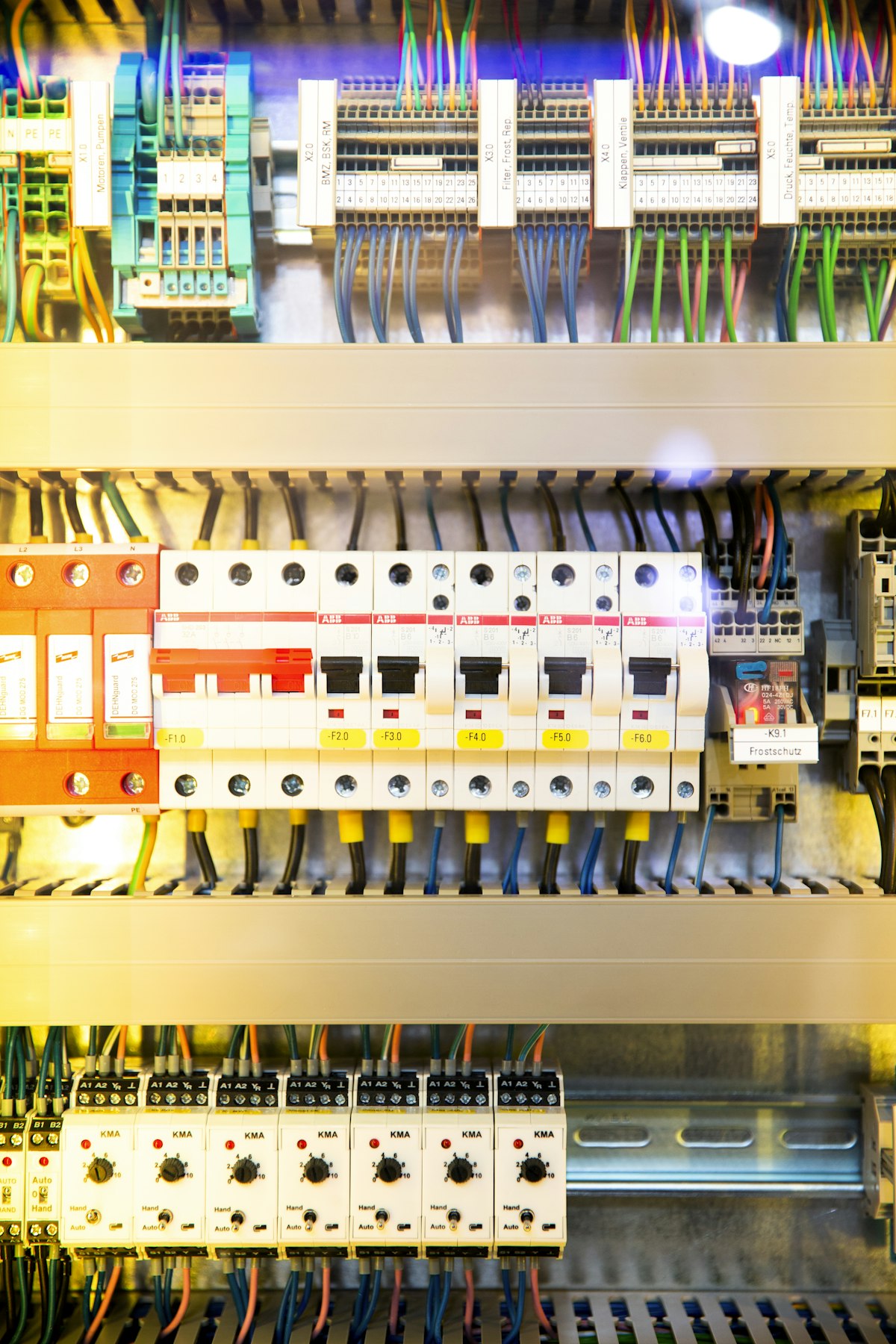
Normally, electricity just goes INTO your car when it charges. But as we have seen, electricity can travel BOTH WAYS. So with V 2 G, your car can be charged up overnight when electricity is cheaper and demand is low… and then later, if the grid gets really busy, the car can share some of its stored energy back.
It’s basically your car saying…”Hello National Grid. Fancy borrowing a little electricity?” And of course, smart systems make sure your car still keeps enough power for the school run.
“IT’S THE MIGHTY MICRO GRIDDERS!”
Hi Marina, we need your help. Where should we put all these batteries, because they’re a bit bigger than the ones in our remote control!
Well, if you’re using your electric car as for electricity storage, you want that close to your home, or perhaps in a central community car park.
Larger, shipping container sized batteries need to be in secure locations, near but not necessarily right next door to homes. It makes sense for them to be close to your Solar Panels and Wind Turbines to catch all the clean energy as its made. They should also be placed on flat, solid bases because they can weigh as much as a bus, and outside as they can get very warm! Although maybe there’s a clever way you could think of to capture that heat too… every little helps when it comes to energy!
Making clean electricity is only half the challenge. The other half is storage – saving and using it at exactly the right moment. But with giant batteries… and even electric cars helping, the future grid is looking very smart indeed!
Marina Ventura… and the Micro-Gridders
Made with support from Grid for Good by the National Grid
 Apple Podcasts
 Spotify
 Player FM
 Pocket Casts
MOBILE: Marina Ventura: Kids Guide to Our Planet
The podcast exploring the environment, ecology, oceans and climates on our planet Earth.