



Hi guys! Marina Ventura here.
Map App and I are on a mission to explore how we might generate our own electricity in the future… and distribute it to local people around us.
Wanna come too? Excellent!
We’ve been discovering that the National Grid is an amazing invention that helps get energy across the country to where it’s needed – and how the future grid will become smarter, cleaner and way more flexible. The future of power won’t be just from giant power stations miles away… it’s going to come from right around the corner.
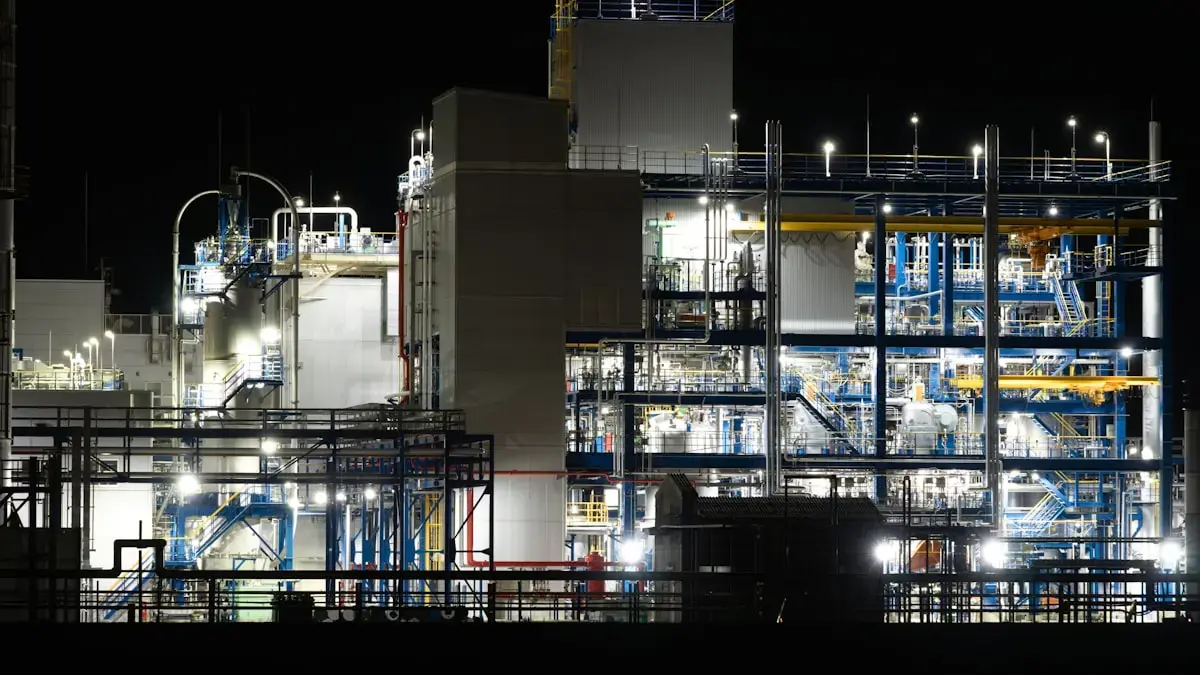
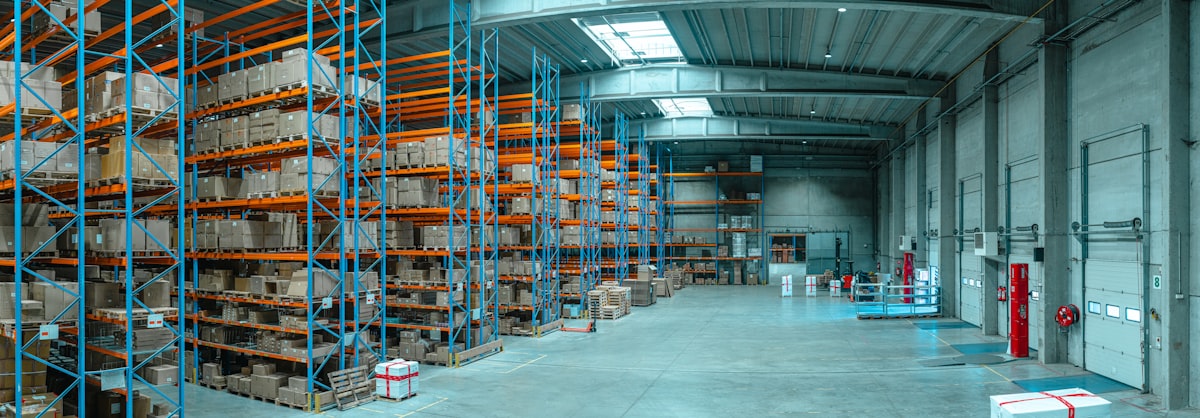
Whilst you may think that you use a lot of electricity at home – to power the lights, tv and kitchen equipment… just have a think about how much electricity is used by business – like powering those large warehouses located by motorway junctions, driving trains across the country or heaving industry creating things like steel and cement. It’s enormous… and one might call them ENERGY GUZZLERS.
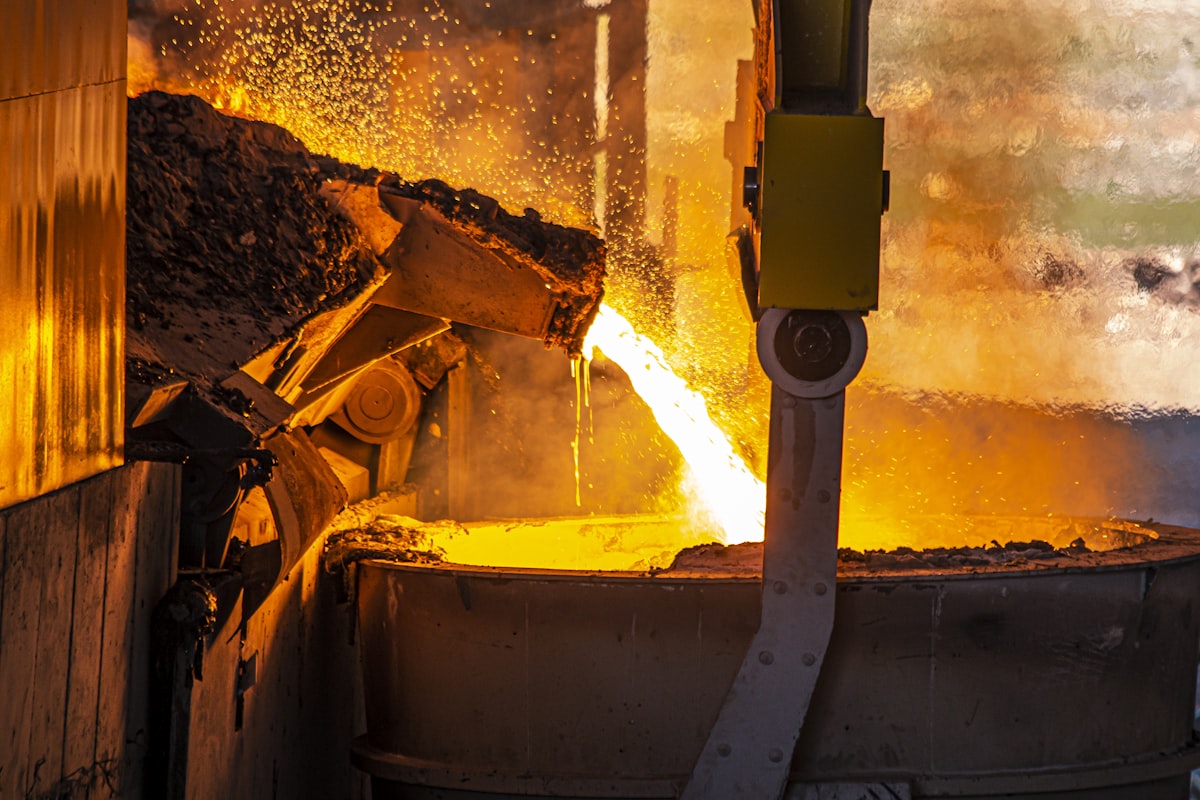
Factories make lots of things – some make products like cars, TVs and washing machines that we use every day, whilst other make the materials that are used to make those products as well as the homes we live in, like steel, chemicals and cement.
Some might use energy to power the lights and assembly lines, others might use it for giant furnaces to melt metals, and these can be incredibly hot… indeed reaching temperatures hotter than molten lava!
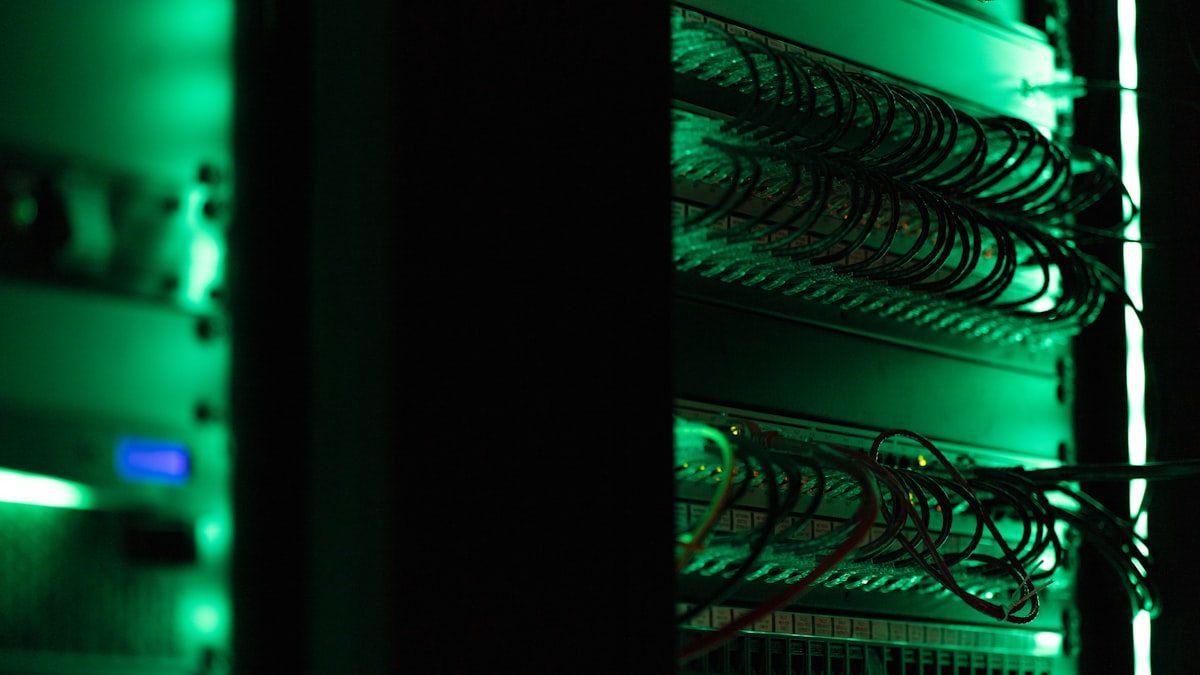
Data centres – the internet’s giant brain boxes!
Every online game, video, search and AI question relies on buildings full of powerful computers called servers. These computers work day and night. They generate lots of heat and need giant cooling systems to stop them overheating. Like giving thousands of computers a permanent electric fan.
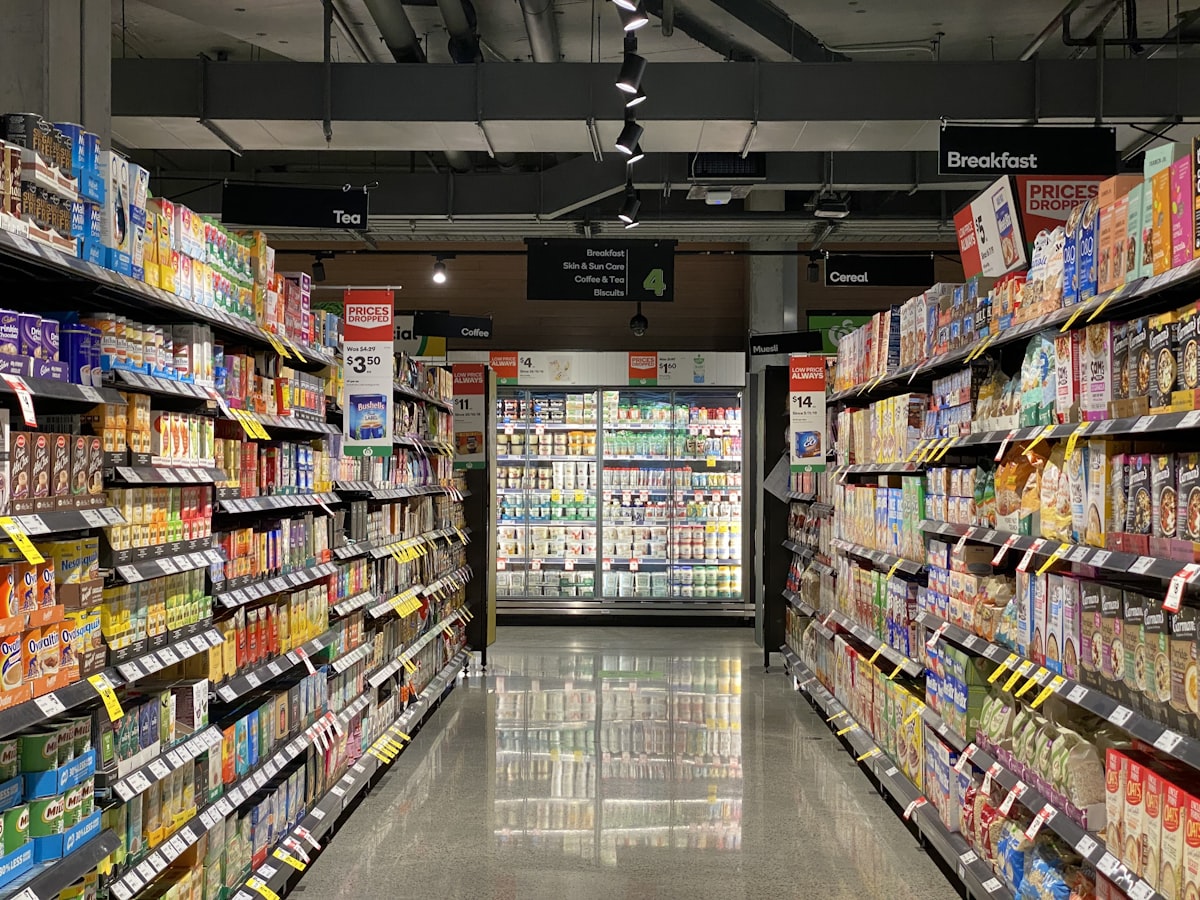
Then we have airports, warehouses, hospitals and even supermarkets – think about it. Hundreds of fridges. Dozens of freezers. Bright lights. Bakery ovens. Air conditioning. Delivery vehicles. A supermarket is basically a giant machine for keeping food fresh.
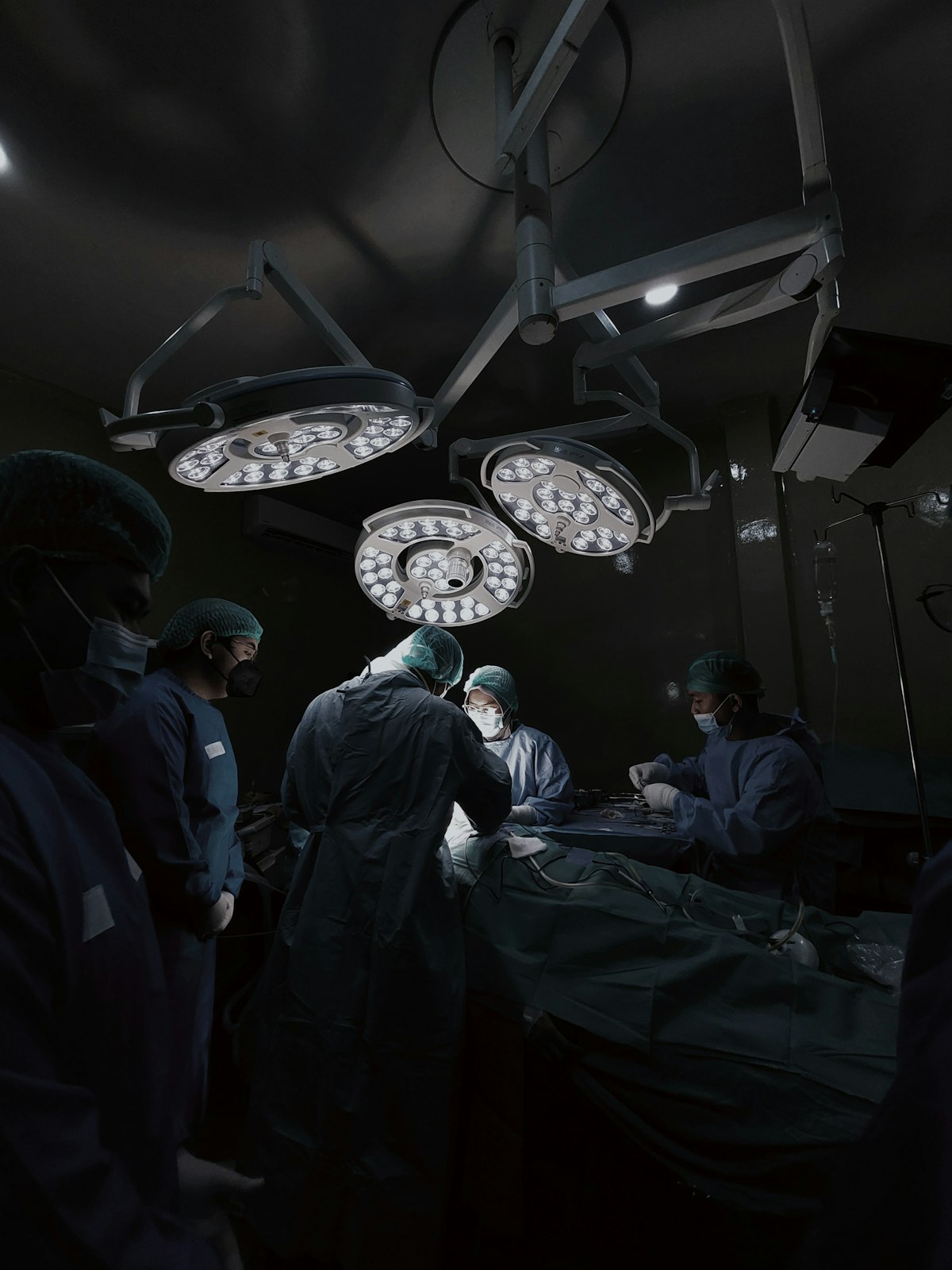
Energy guzzlers are even life savers… Hospitals are a major energy user. They operate twenty-four hours a day, and need electricity for lighting, scanners, operating theatres and all those life-saving machines.
If they need more electricity, they just take more from the grid. But it would be better is they could reduce their energy usage or use more greener energy rather than the fossil fuels that many have relied upon for years. And that might help them save oodles of money too!
The 101 is that big businesses are getting better are using better insulation, more efficient machinery, LED lighting and clever computer systems that automatically manage heating, cooling and ventilation.
Some systems can reduce energy use by ten to thirty percent. And that’s right now – even before we talk about our super smart grids of the future…
But many businesses are ALREADY becoming prosumers. They’re installing solar panels and wind turbines and generating some of their own electricity.
Just like our homes in our micro-grids!
Some data centres are being built in colder parts of the world so they can use naturally cold air to help cool their computers. Nature’s air conditioning!
Demand for electricity is certainly growing. Electric vehicles, factories and data centres are all increasing demand for electricity. Steel plants, for example, are replacing coal-based processes with giant electric-arc furnaces to transform recycled scrap steel into brand-new steel. And future data centre demand could be for more power than the UK’s current peak demand.
“IT’S THE MIGHTY MICRO GRIDDERS!”
Hi Marina, we need your help. Our micro grid design is looking really great but what if one building – like a massive factory – uses way more energy than all the others?
As we’ve seen some types of building and industries require much more electricity than homes, so solar panels on a factory roof won’t be enough – they need stronger sources like large wind turbines and biomass, as well as giant industrial batteries to store backup power.
Also remember that factories can cause sudden, massive spikes in electricity demand which could crash the microgrid – so that’s important to factor in when thinking about how we maintain a constant supply for everyone.
And maybe think about how you could help a factories use less energy in the first place?
Marina Ventura… and the Micro-Gridders
Made with support from Grid for Good by the National Grid
 Apple Podcasts
 Spotify
 Player FM
 Pocket Casts
MOBILE: Marina Ventura: Kids Guide to Our Planet
The podcast exploring the environment, ecology, oceans and climates on our planet Earth.