

Hi guys! Marina Ventura here.
Map App and I are on a mission to explore how we might generate our own electricity in the future… and distribute it to local people around us.
Wanna come too? Excellent!
On our journey to map the mighty micro grid, we’ve looked at how we might generate power – from solar panels and wind turbines, to heat pumps and Combined Heat and Power systems!
But the big question remains… where might you have a microgrid? Let’s have a look at where you might find microgrids!
First stop… COMMUNITY MICROGRIDS!
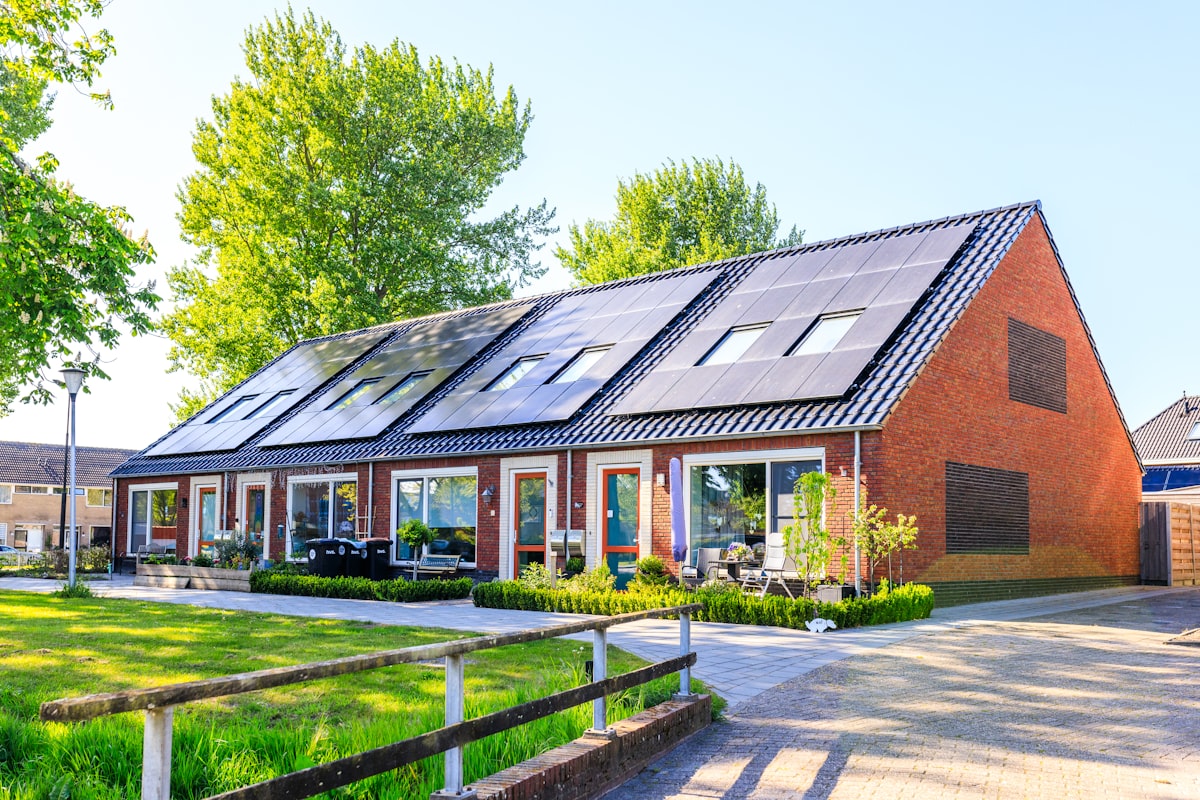
Imagine a street where lots of houses have solar panels on their roofs. Maybe there’s a big battery the size of a shipping container tucked away beside a community centre, and perhaps a small wind turbine spinning nearby. All the homes work together as a team – if one house makes extra electricity, it can share it around the neighbourhood.
Like a giant energy picnic where everyone brings something to share! Some communities build micro-grids because the local people want cleaner energy or to reduce their electricity costs. Or even to have more energy security, so if there was a power cut, they’d still be able to power their homes.
Next stop… CAMPUS MICROGRIDS!
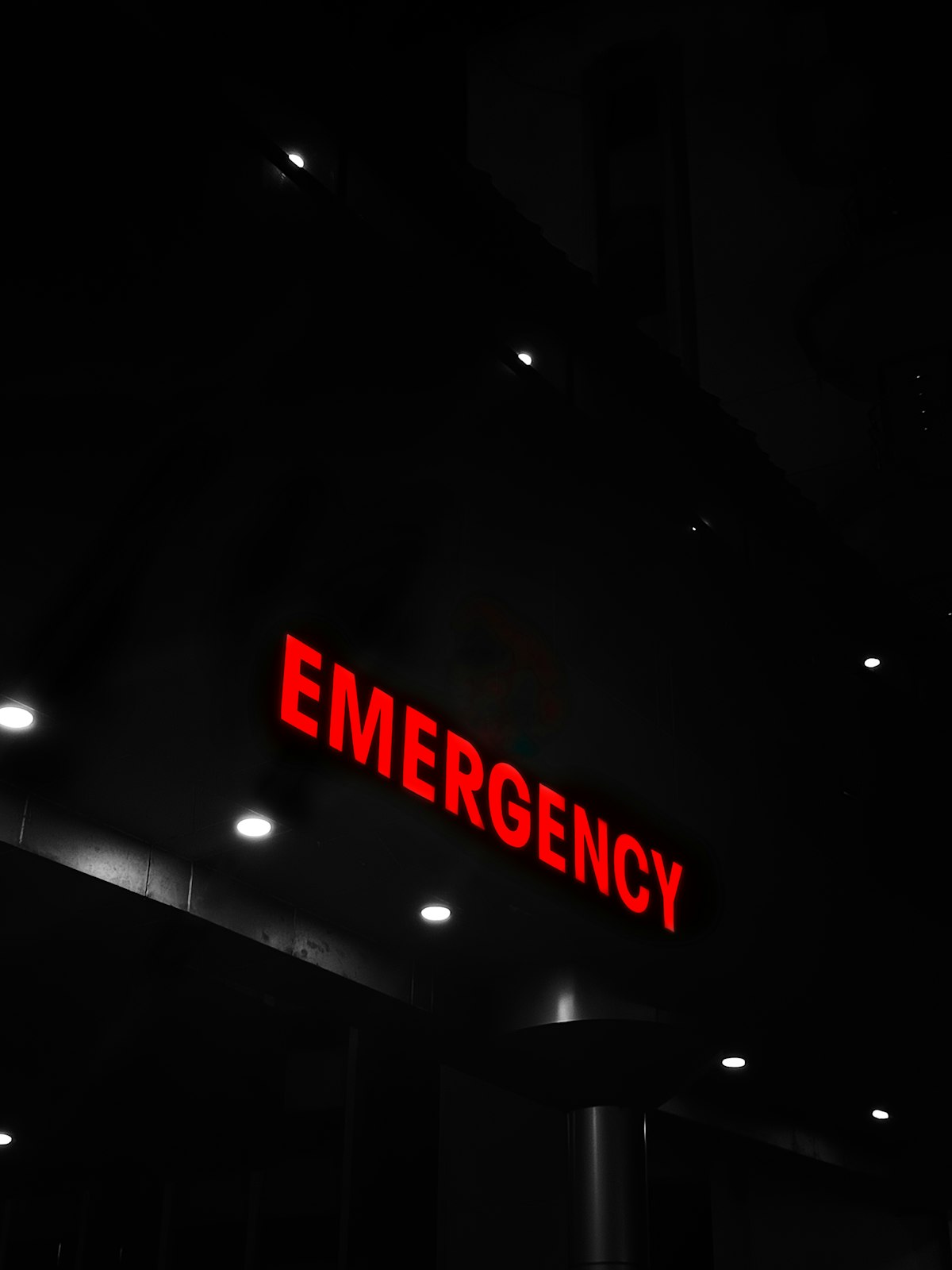
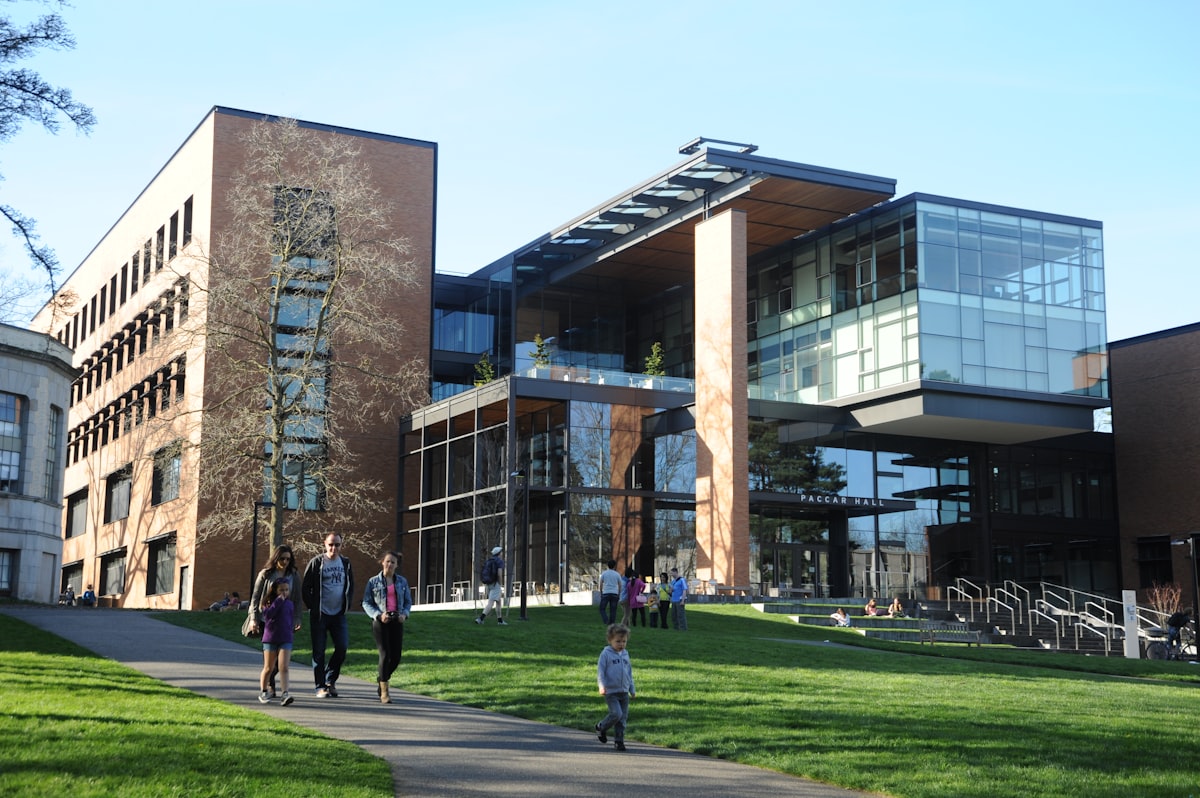
This could be a school, university or even a hospital. These places are like mini-cities – they have many buildings with lots of lights, computers, equipment and kitchens to power, as well as lots of people who depend on power every day. Especially hospitals. You definitely don’t want the lights going out during an operation!
That’s why many campuses have solar panels on their roofs, as well as batteries and backup generators ready to leap into action. And here’s a super cool idea… some are creating ‘Resilience Hubs’ where hospitals, schools and emergency services link together so they can help each other out during emergencies.
Next stop… ISLAND MICROGRIDS!
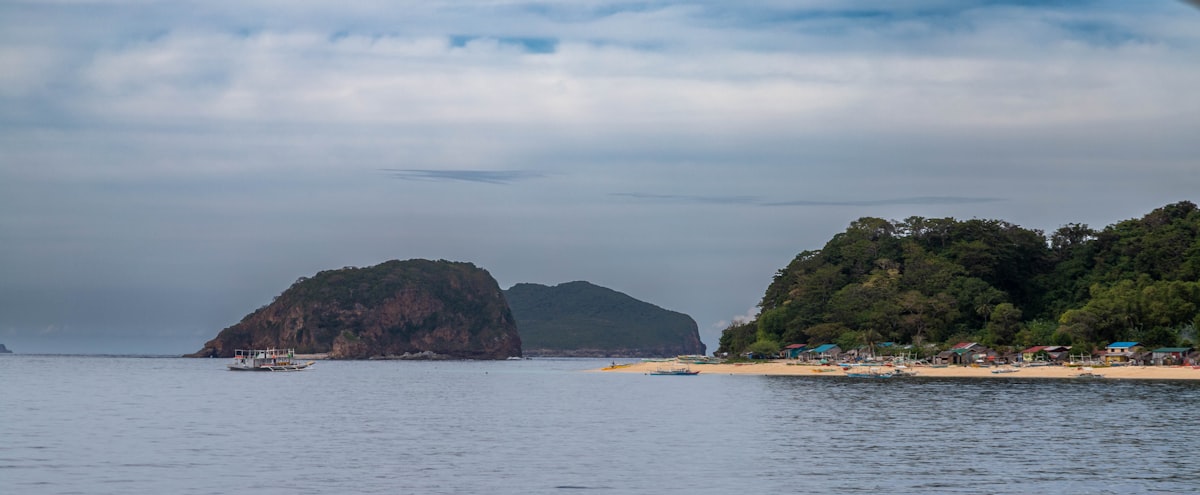
These are remote places that often don’t have any connections to the national grid. They have to make all their own electricity. Fun fact! The tiny island of Ta’u in American Samoa was one of the first to switch from diesel fuel to powering itself solely on solar. Which means less pollution and a lot of sunshine doing the hard work!
Time for somewhere a little more secret… MILITARY MICROGRIDS!
Like hospitals, military bases have an important job to do and need to operate 24/7, 365 days a year. With large amounts of land, it’s easy for them to generate solar and wind power. They also have lots of extra protection against hackers and physical attacks as they need to keep working even if a cyber-attack affects the surrounding network.
And finally… INDUSTRIAL MICROGRIDS!
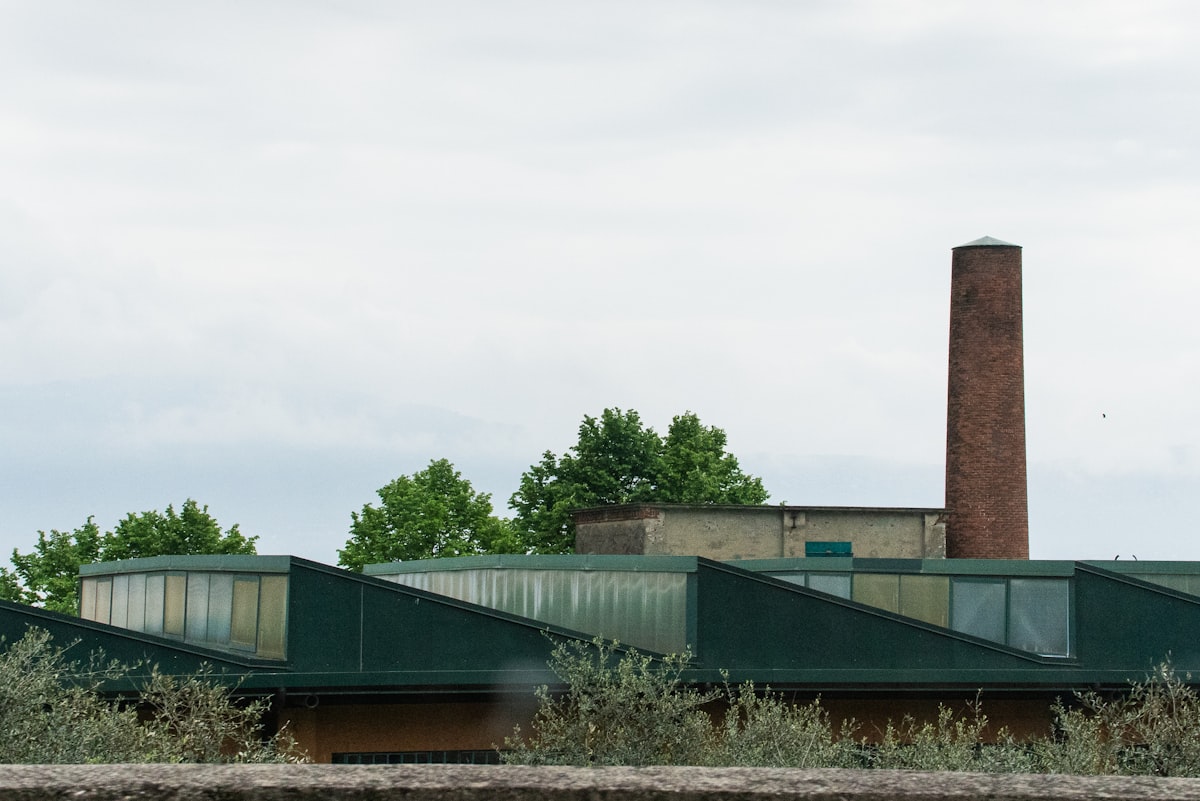
Electricity is the lifeblood of modern industry – whether driving continuous production or keeping data facilities running. If these fail, that could mean no food in our shops, no cars to drive, no mobile phone connection… and much more. Large factories and industrial estates therefore have their own power units to keep the power on when the grid is off.
Imagine spending days getting to the final boss level on your PC game and someone pulls the plug before you save your progress! Well that’s how some factories feel about power cuts.
“IT’S THE MIGHTY MICRO GRIDDERS!”
Hi Marina, we need your help. How much energy do different buildings need, and how can we make sure our microgrid can power them all?
Well, there’s critical facilities, like hospitals and fire stations that must never lose power as they perform crucial services 24/7.
Then there’s those that need more at different times of the day… Homes use more energy in the morning and evening, while schools, shops and businesses use more during the daytime.
In your plans, identify critical community buildings and think about which will need power the most during an emergency, and then make sure you’ve allocated extra backups like additional batteries for those.
Marina Ventura… and the Micro-Gridders
Made with support from Grid for Good by the National Grid
 Apple Podcasts
 Spotify
 Player FM
 Pocket Casts
MOBILE: Marina Ventura: Kids Guide to Our Planet
The podcast exploring the environment, ecology, oceans and climates on our planet Earth.