

Dan’s exploring the amazing world of Aluminium… the cool metal that can be recycled over and over again!
He’s on a science adventure to follow aluminium from where it begins to the everyday objects made of it that you use. And you have a chance to become a Recycling Detective, and get hands on with this amazing metal!
In “Dan explores… Recycling Aluminium Products”, Dan is diving into the world of aluminium recycling, and seeing how all those cans and foil can be made into, well, new cans and foil!
Dan follows the journey of Can, who is… well… an empty drink can.
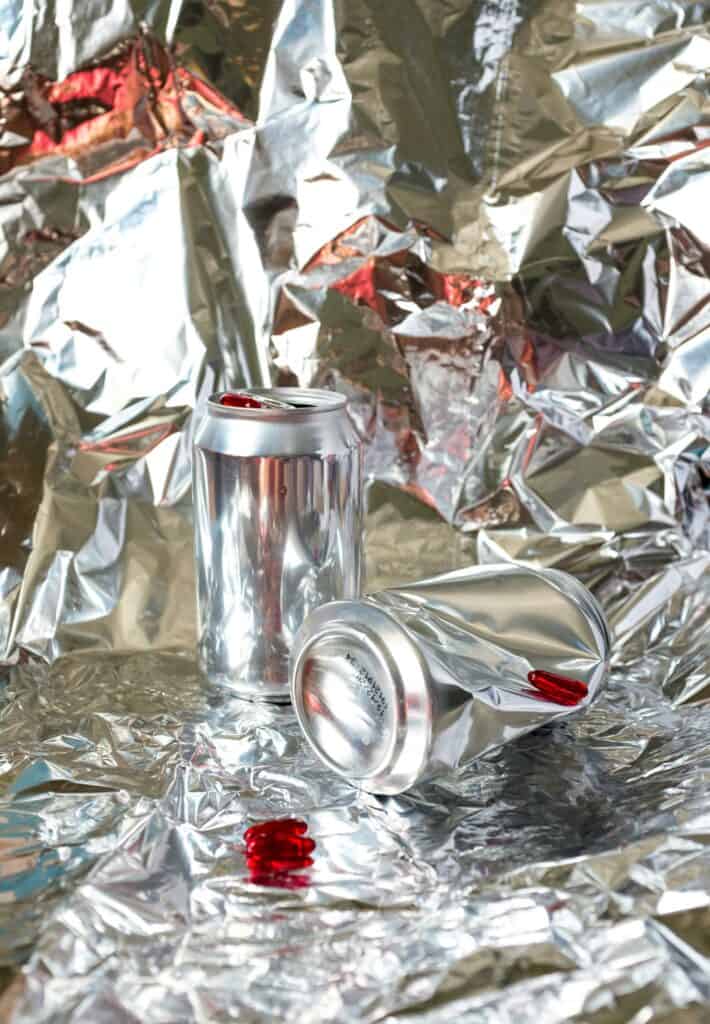
She’s slightly squashed and a bit sticky, and is in the household recycling bin along with some aluminium foil and other recyclable materials. She’s no idea that she’s about to go on an epic adventure.
Now… did you know that aluminium packaging is one of the most valuable things you can put into your recycling bin. That’s why local councils love to collect loads of it. It’s too good to waste.
At the Recycling Plant… everything is initially dumped in one great pile… there’s cardboard, plastic bottles, paper, tins. You name it… all mixed up.
And there’s Can… waiting for the next stage of her journey… and that’s to be sorted out from everything else, so all the aluminium is in the same place.

Conveyor belts carry all the waste materials through various sorting stages –small fragments are removed by sieves, then magnets attract steel objects and eddy current separators produce a magnetic field to repel aluminium – literally flicking aluminium into its own separate chute. Rotating drums then screen out paper and cardboard, and optical scanners identify and sort different types of plastic.
Once the aluminium is all together, the next stage is where things get serious. The waste aluminium is shredded into small pieces – about the size of a 50p coin, which melt faster and more evenly. Efficiency is everything
- The shredded aluminium moves through a super-hot rotating oven, where any ink and coatings are burned off using hot gases.
- The clean aluminium is tipped into a furnace heated to over 650 degrees Celsius. That’s hot enough to melt it into glowing silver liquid, which is poured into moulds to form ingots. Each ingot can be 9 metres long and weigh 27 tonnes. That’s about the same as 1.5 million recycled drink cans packed together into one enormous silver bar.
- An overhead crane lifts the giant ingots out of the casting pit like metallic giants. Three at a time. They’re loaded onto trucks and sent off to rolling mills where the ingots are squashed and stretched into thin sheets of aluminium to become brand new cans.
- And here’s the amazing bit. Recycling aluminium uses only about 5% of the energy needed to make new aluminium from the raw materials. That’s a 95% energy saving. Huge difference – Lower carbon – Greener planet.
- It’s all part of something called a circular economy. Materials go round and round instead of being thrown away.
So next time you finish a drink, don’t just toss the can anywhere. As aluminium can be recycled over and over again with no loss of quality, give it another chance!
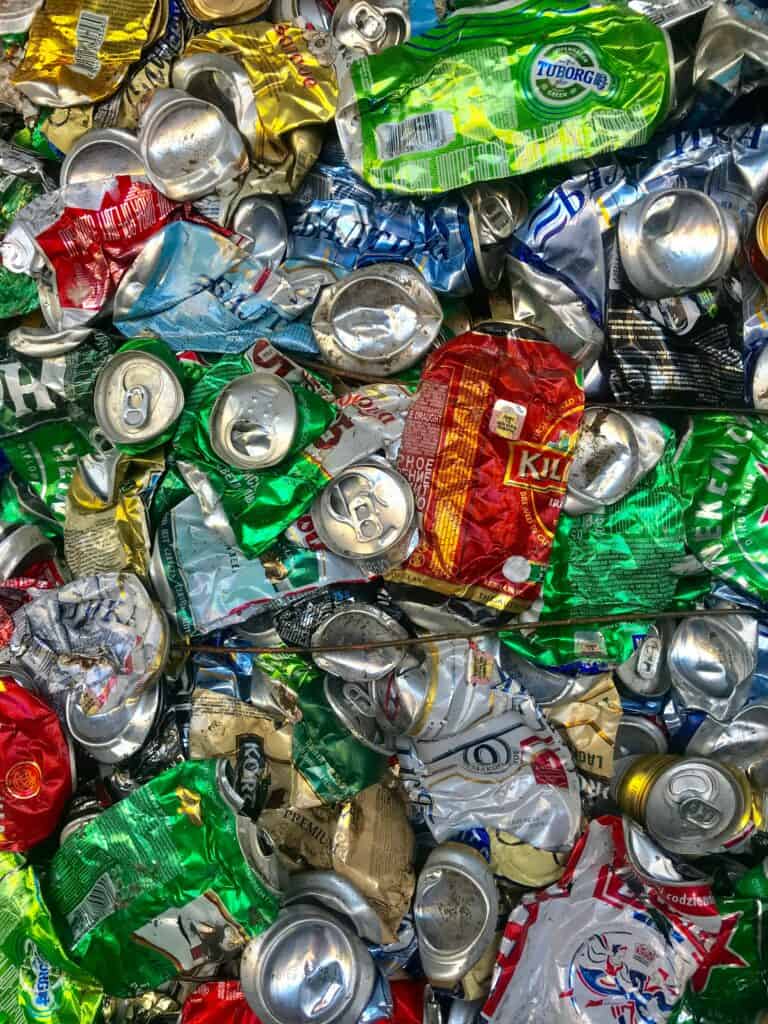
So… as we’ve seen, aluminium isn’t just for cans, it’s everywhere. Seriously, it’s like the secret superhero of everyday life.
Wrap up your sandwich? That crinkly foil is aluminium.
See an aeroplane soaring through the sky? Yep, aluminium helps keep it light enough to fly.
If you pop into the kitchen, you’ll find plenty of aluminium there. Lots of pots and pans are made from aluminium because it heats up super-fast and spreads the heat evenly. That means fewer burnt pancakes and quicker pasta nights.
Step outside and aluminium is still a busy bee. It’s used in cars to make them lighter, which helps save fuel. Some trains and bicycles use it too, because it’s strong but not heavy. Perfect for zooming along tracks or racing down hills.
It doesn’t rust. It’s easy to shape. It’s tough but lightweight. No wonder engineers and designers love it.
From your lunchbox to the runway, from the road to the railway, aluminium is quietly working away, making life lighter, faster and just a little bit cooler every single day.
Did you know… that since the first industrial production of aluminium in the 1880s, 75% of all the material ever produced is still in use today. The aluminium drink can is the world’s most recycled packaging container and the UK is one of the largest drink can markets in Europe. Over 14 billion aluminium drink cans are sold in the UK every year, and each one could be recycled over and over again, saving energy, raw materials and waste. A used aluminium drink can, can be recycled, reprocessed, remade and ready for re-sale in around 60 days. In a whole year, that one can could be recycled eight times, saving enough energy to make 160 new cans.
CAN YOU BE A RECYCLING DETECTIVE?
Did you know there’s an easy and cool way to find out whether something is made of aluminium… or just pretending to be! It’s something that’s good to know when you’re popping your rubbish in the recycling bin because all that glitters is, well… not aluminium. And some things that LOOK like aluminium can’t be recycled in your bin at home. So what’s the solution? Well, it’s something called the Scrunch Test.
Grab a foil tray… or a piece of kitchen foil. Scrunch it tightly into a ball in your hand. Now let go. If it stays scrunched up in a tight little ball, congratulations. That’s aluminium… and it can go in the recycling.
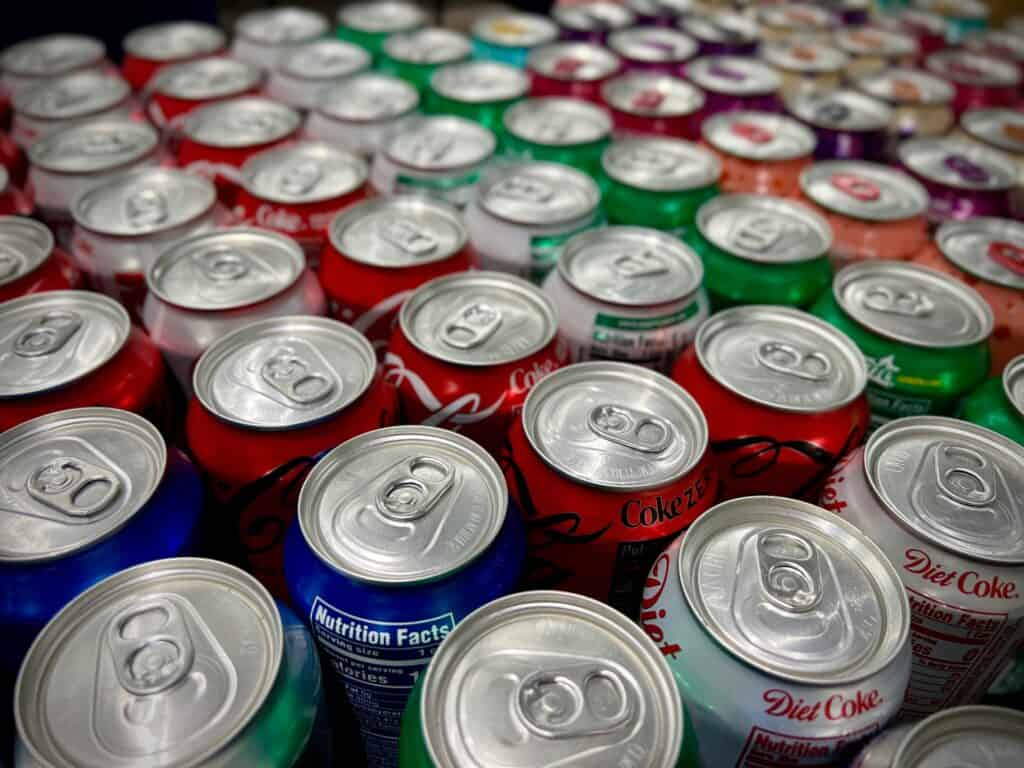
Why does it stay scrunched up? Because aluminium is a metal, and when you squash it, it stays squashed.
Now try the same thing with a crisp packet or a shiny pet food pouch. It springs back. It won’t stay in a tight ball. That’s because they’re not aluminium. They’re usually plastic with a very thin metallic coating that’s very hard to separate for recycling. They may look shiny like foil, but they behave differently. And can’t go in your regular recycling bin.
- So remember… Scrunch it, Squeeze it, Let it go!
- Stays scrunched? Recycle it.
- Springs back? Check the label. It might be mixed material that needs to go in a different bin.
Here’s a very quick list of some everyday things that you can usually recycle…
- Drink cans.
- Foil like chocolate wrappers, takeaway containers and cake trays.
- Barbecue and freezing trays.
- Screw top lids from bottles – although screw the lids back onto the bottle when you recycle it!
- Always rinse foil trays to remove any food residue. And scrunch kitchen foil into a ball – the bigger the ball, the easier it is to recycle.
- Aerosols and spray cans too… but make sure they’re empty first!
Here are some clicky links to help you find out more
Click here to listen to the Science Quest Podcast
Click here to find out more about Amazing Aluminium
And Click here for some amazing free aluminium education resources!
Always remember to always recycle your aluminium – whether a drink can or foil tray, foil wrapping or bottle cap – always put your aluminium into your recycling. After all, aluminium is infinitely recyclable.
AMAZING ALUMINIUM
Created with support from Alupro