


Everything we plug in has to be powered by something. Some of it gets burned, some gets split, and some is caught from the wind, the sun, the sea or the heat under our feet.
Two kinds of energy source
The ones that run out are called non-renewable: coal, crude oil, natural gas and the uranium used in nuclear power. Once they are used, they are gone — and burning the first three releases carbon dioxide, which warms the planet.
The ones that don’t are renewable: solar, wind, hydroelectric, waves, tidal, biomass and geothermal. The wind, the sun, the sea and the Earth’s heat will not run out — though the machines that catch them still cost money to build and look after.
So what makes Britain’s electricity?
In spring 2026, more than half of it — 53% — came from renewables like wind and solar. Most of the rest came from gas (29%) and nuclear power (17%).
Coal made none of it at all. Britain’s last coal power station, Ratcliffe-on-Soar in Nottinghamshire, stopped at midnight on 30 September 2024, after more than a hundred years of coal-fired power.
Figures: UK government Energy Trends, March to May 2026.
So which one is best?
None of them. Every single energy source has something good about it and something that gets in the way — and that is exactly why Britain uses a mixture instead of picking one and sticking to it.
The good and the bad of all eleven
- Coal — used to be cheap and dependable, but it gives off more carbon dioxide than anything else on this list.
- Crude oil — easy to move about and store, but burning it warms the planet, and one day it will run out.
- Natural gas — can be switched on quickly when everyone puts the kettle on at once, but it is still a fossil fuel.
- Uranium (nuclear) — makes an enormous amount of power without carbon dioxide, but leaves waste that stays dangerous for thousands of years.
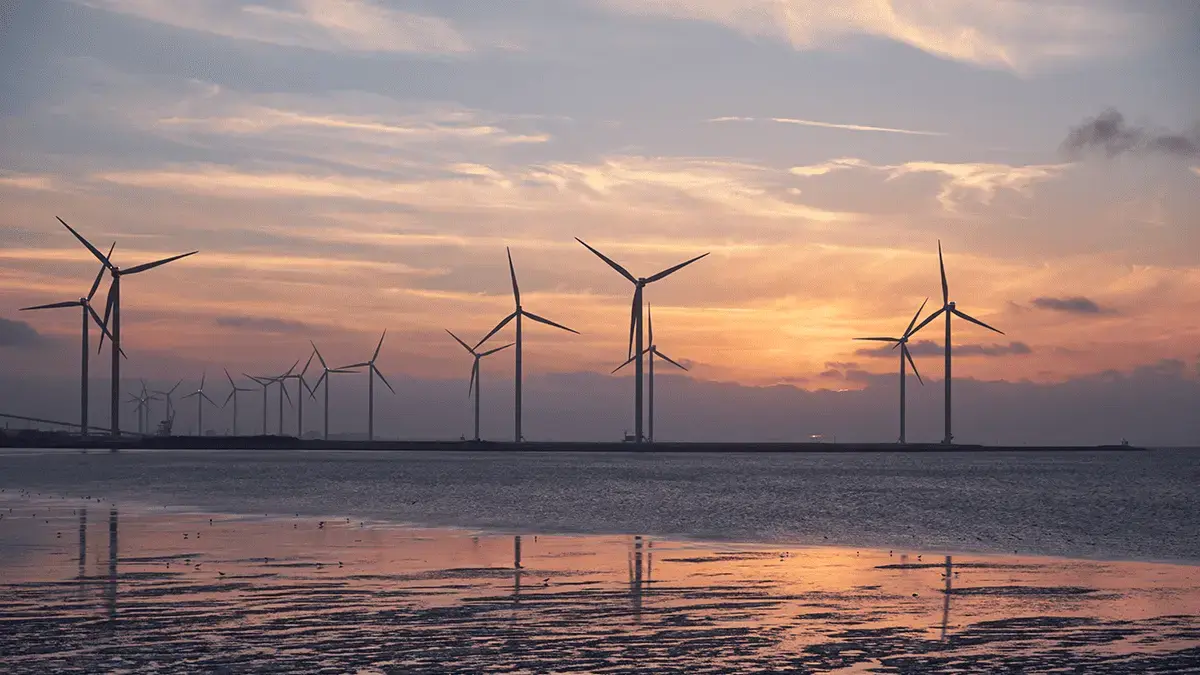
- Wind — Britain’s biggest renewable by far, but the wind does not blow to order.
- Solar — the fuel is free and the panels are silent, but there is no sun at night and much less of it in winter.
- Hydroelectric — steady, and can be turned on in seconds, but you need a river and a valley you are willing to flood.
- Tidal — tides can be predicted years ahead, which is rare and very useful, but the machinery is expensive and it changes the estuary.
- Waves — the sea never stops moving, but salt water is hard on machines.
- Biomass — the fuel can be grown again, but it still has to be burned, and growing it takes up land.
- Geothermal — works day and night whatever the weather, but Britain has very few rocks hot enough near the surface.
📖 Words to know
- Renewable
- An energy source that can be used again and will not run out.
- Non-renewable
- An energy source there is only a certain amount of. Once it is used, it is gone.
- Generator
- A device that turns movement, like spinning turbine blades, into electricity.
- The National Grid
- The huge network of wires and pylons that carries electricity from power stations to your house.
⚠️ Watch out!
🔟 Top 10 facts
- Top 10 Facts About Electricity! — what it actually is, and who worked it out.
- Top 10 Facts About Electricity Pylons! — the giants that carry it across the country.
- Top 10 Facts About Biomass Energy! — the renewable one you can actually burn.
🎧 Listen and watch
- The Future of Electricity — what comes next for the way we make power.
- Turning Heat Into Power — heat into steam, steam into electricity.
Where does Britain's electricity come from?
Roughly how much of Britain's electricity now comes from renewables?
- More than half
- About a tenth
- None of it
- All of it
How much of Britain's electricity is made from coal?
- None at all
- Half of it
- A quarter of it
- Nearly all of it
Which of these is NOT a renewable energy source?
- Natural gas
- Wind
- Tidal
- Geothermal
We’ve got a whole series about energy, electricity, and power generation! It’s called Curious Kate, and you can listen to it below!
Add a comment