

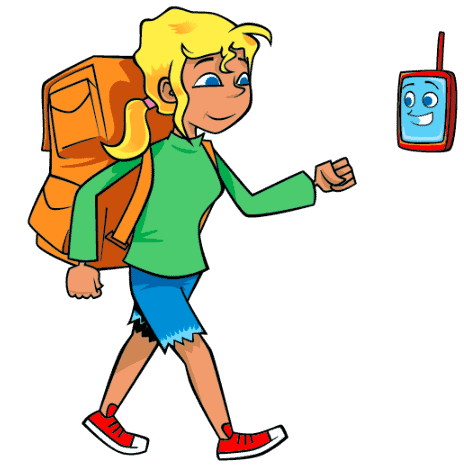
Hi guys! Marina Ventura here.
Map App and I are on a mission to explore how we might generate our own electricity in the future… and distribute it to local people around us.
Wanna come too? Excellent!
Electricity is all about teamwork… on a MASSIVE scale. Most of our electricity is currently generated by large companies and in places far away from where we live.
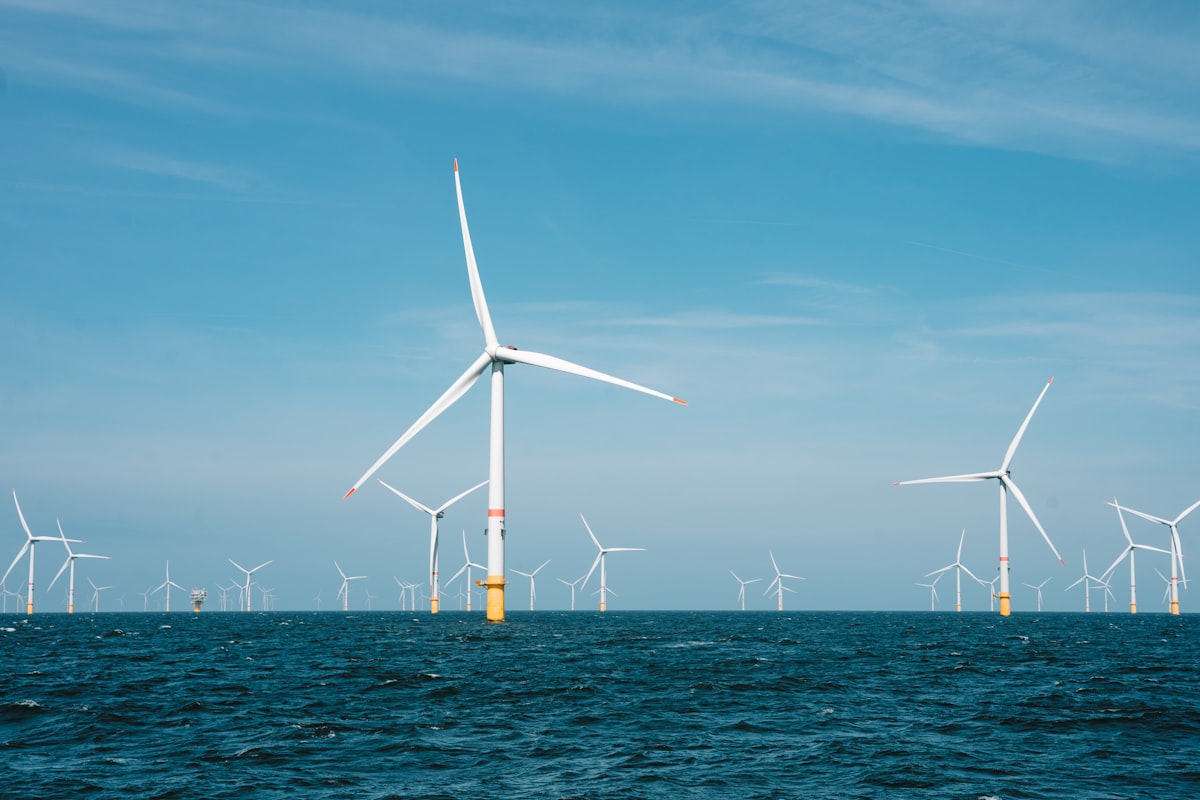
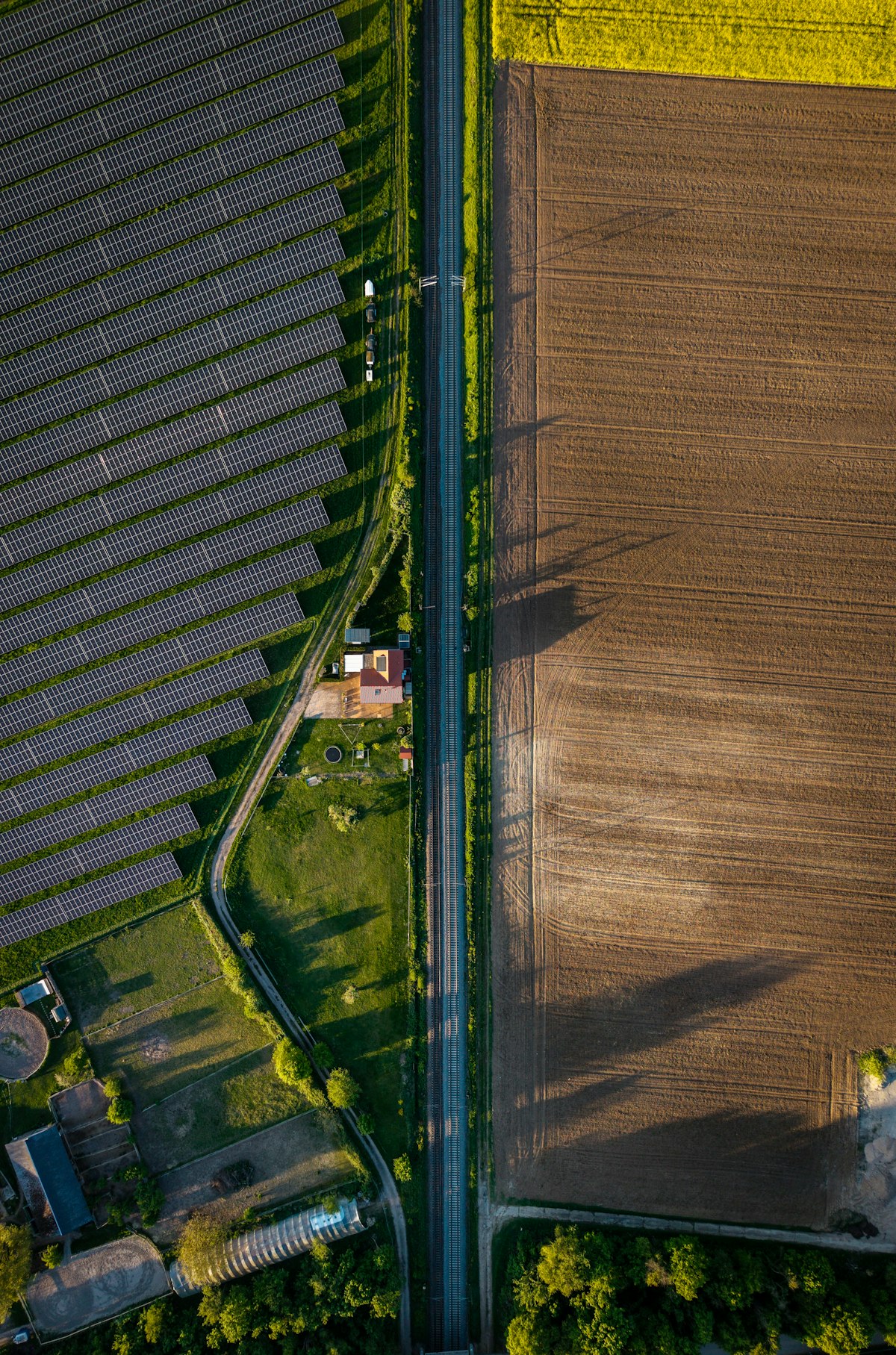
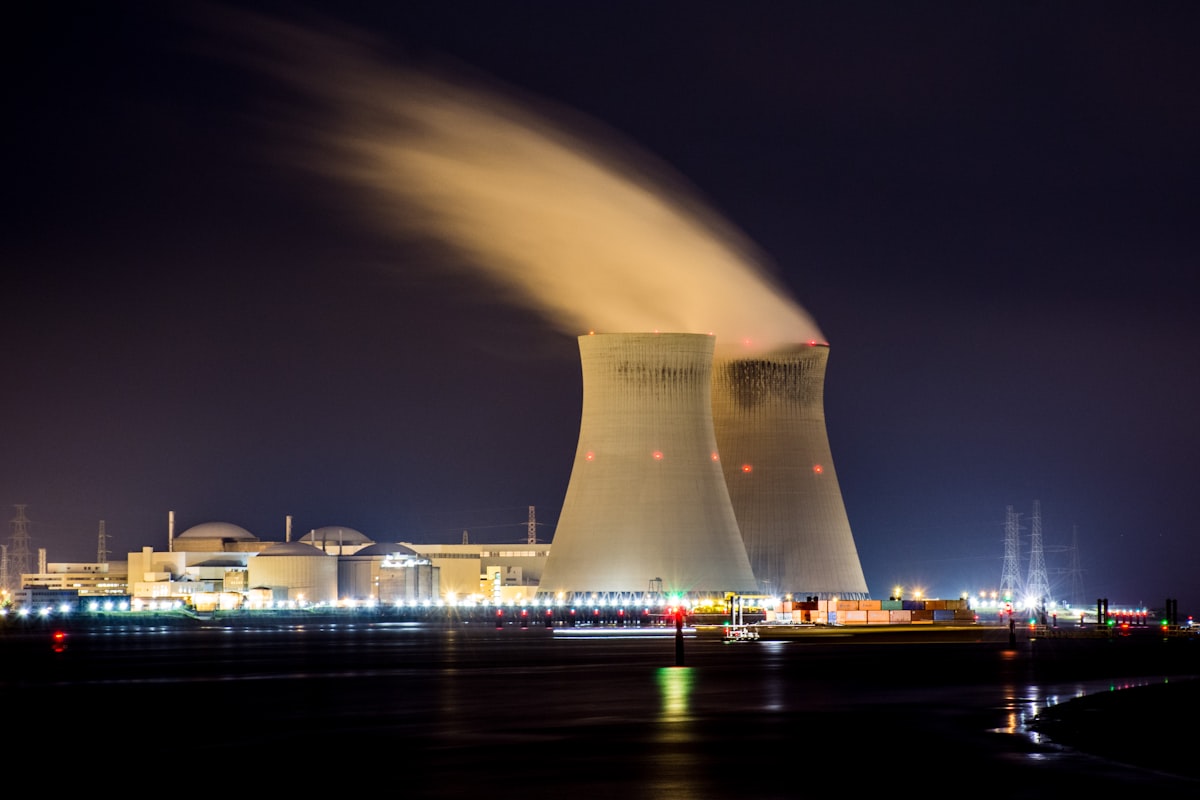
It’s like a gigantic game with lots of power players. There’s the Green Team that uses natural forces that never run out, like giant wind turbines out in the North Sea, solar panel farms around the countryside and rushing water in hilly areas. Then there’s the Gas Team that burns natural gas, and the Invisible Heat Team that generates power by splitting tiny nuclear atoms inside giant power stations generally located along our coastlines.
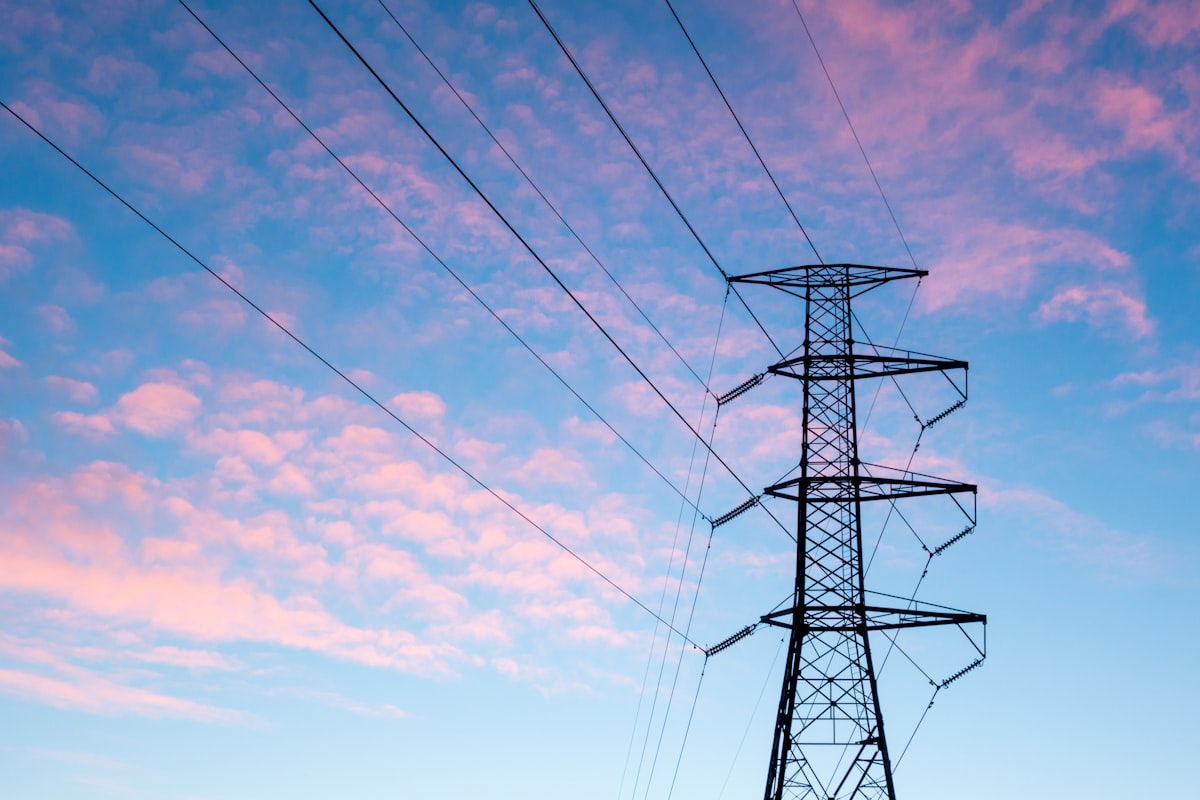
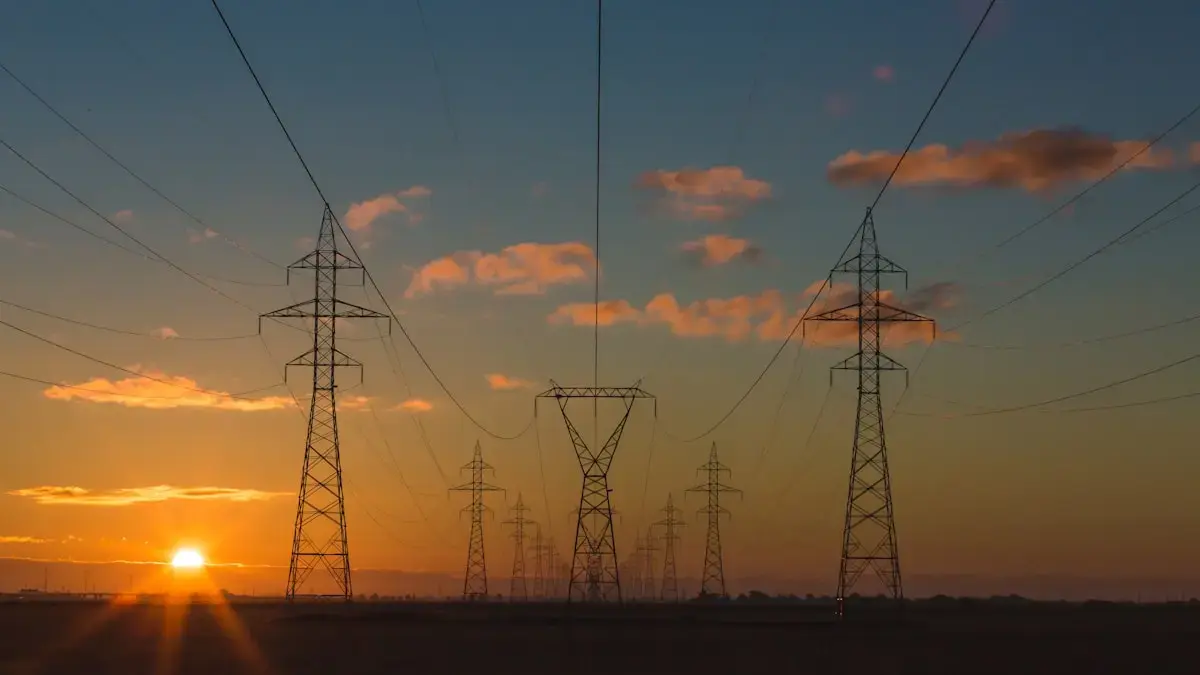
To get that electricity to where its needed – our towns and cities where we live and work, it’s carried along something called the National Grid. That’s a network that uses tall pylons to carry over 7,000 kilometres of overhead lines. Thick cables humming with power!
The Grid also uses over 1,400 kilometres of underground cables, as well as undersea connections with Europe.
And then there’s the lower voltage distribution lines and buried cables in our local communities that feed our homes, schools, hospitals and businesses – that’s a massive 220,000 kilometres!
When our current National Grid was built, it was seen as something of the future:
- In the 1930s, all across Britain, engineers were constructing a revolutionary electrical network – the National Grid that would connect towns and cities like never before, bringing electric light and power to millions.
- In the 1940s, during the dark days of the war, Britain’s growing electricity grid continues to power factories, homes and the nation’s recovery effort.
- In the 1950s, households across the country were plugging into a modern future – refrigerators, televisions and electric cookers are transforming everyday life.
- In 1956, Queen Elizabeth switched on Britain’s first nuclear power station at Calder Hall in Cumbria, powering Britain through the National Grid which now stretches across the country in a vast super-network of pylons and cables.
- In 1991, the UK entered large-scale gas power generation with the country’s first Combined Cycle Gas Turbine power station opening at Roosecote in Cumbria. This sparked the “dash for gas” with gas generation overtaking coal as the UK’s primary source of electricity by 1999.
And changes are still happening. Over the last twenty years, more environmentally friendly sources of energy have been rolled out. Today over 50% of our electricity is renewable – and that percentage is only going to grow… and get more local.
One of the issues faced by the Grid is that future energy will be generated in different places to past energy… and that includes our homes! So the future grid will need to change even more in the 21st Century.
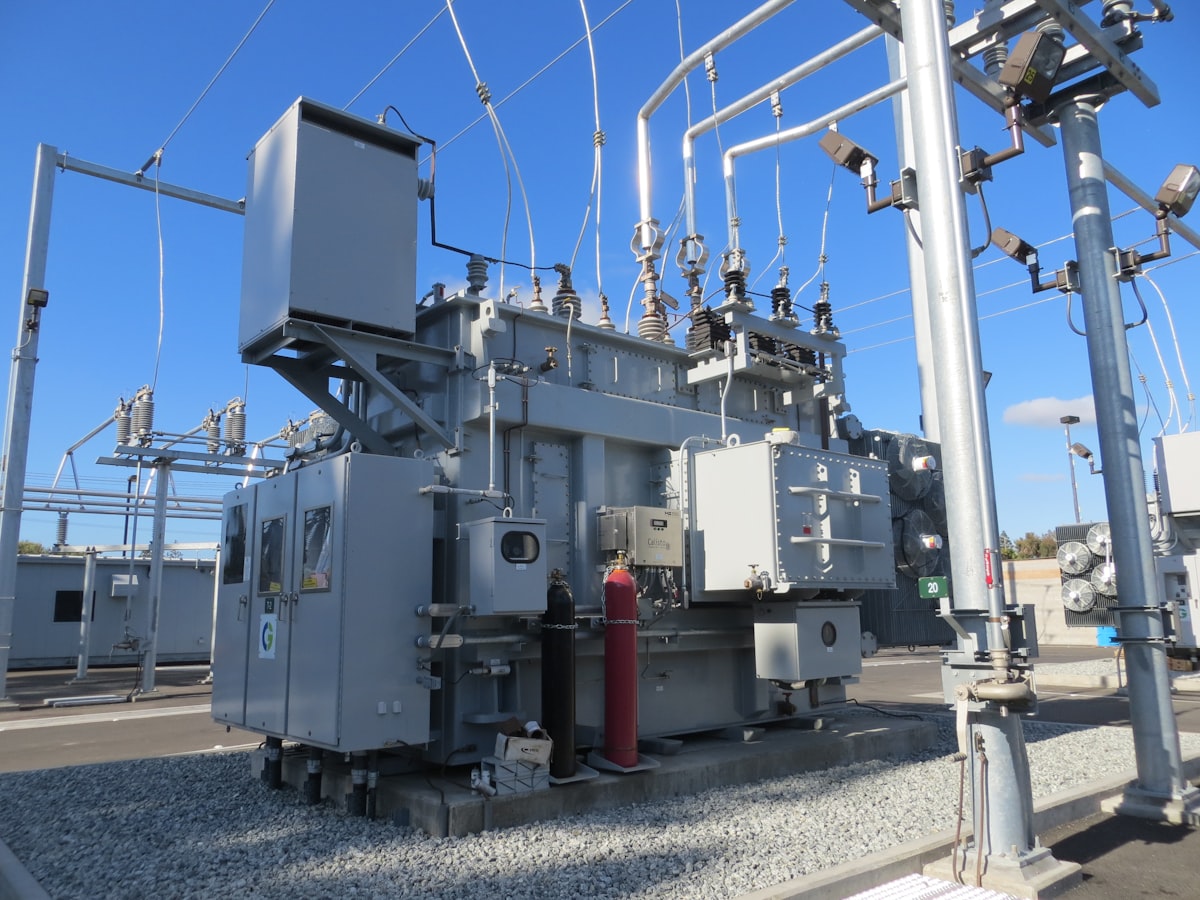
The current grid was mainly designed for a world where electricity travelled one way only. Large power station… to big transmission lines… to local substations… to our homes and businesses. But now things are changing, because each of us can now make electricity too! And to accommodate that, we need a smarter, cleaner and more flexible future grid. In fact… instead of one giant grid feeding everybody from the top down, the future grid is likely to comprise thousands of small local ‘micro-grids’.
IT’S THE MIGHTY MICRO GRIDDERS!
Hi Marina, we need your help. A giant storms knocked out all the power where we live! The lights are off, there’s no TV and even worse… the ice cream freezer’s stopped working! What can we do?
Easy! You need a micro grid – a local energy network that can generate, store and share electricity together… like teammates!
In this series, Marina and Mapp App are going to be exploring all the things you’ll need to build a microgrid – from how and where to generate electricity to how it’s stored and shared, so you’ll have everything you need to design your very own Micro Grid!
Marina Ventura… and the Micro-Gridders
Made with support from Grid for Good by the National Grid
 Apple Podcasts
 Spotify
 Player FM
 Pocket Casts
MOBILE: Marina Ventura: Kids Guide to Our Planet
The podcast exploring the environment, ecology, oceans and climates on our planet Earth.