



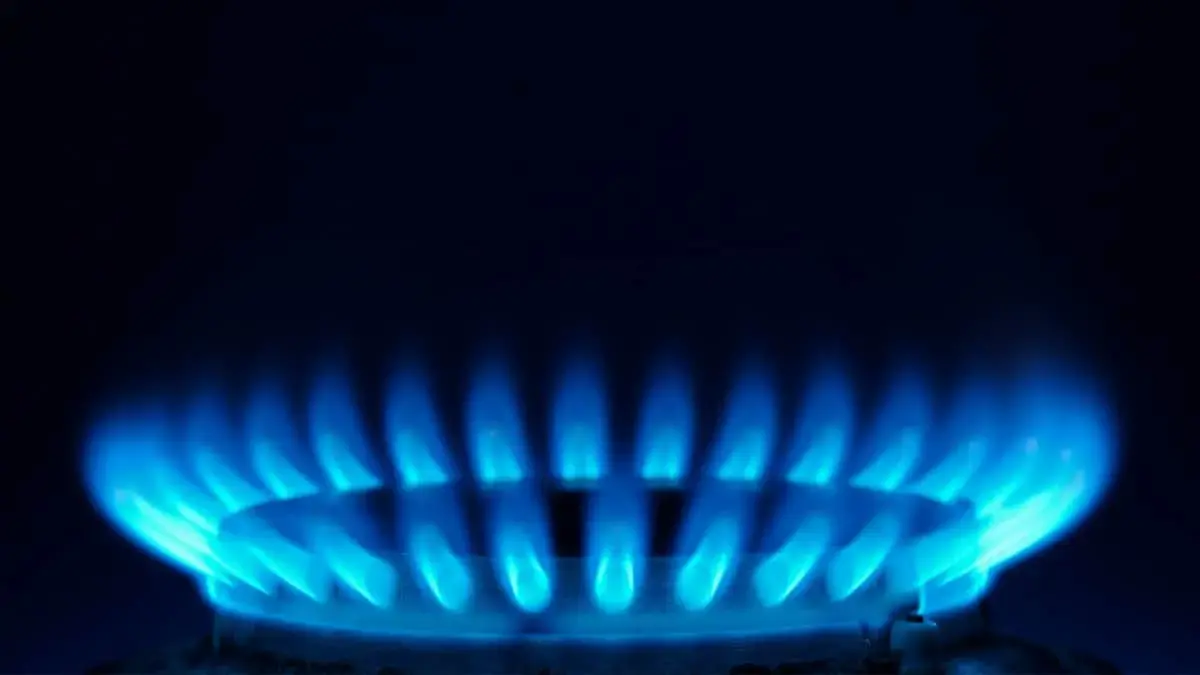
Here’s the need-to-know stuff about the energy source, natural gas!
Description
Natural gas is colourless and lighter than air. It’s mainly made up of molecules of methane and is found in reservoirs deep under the ground, often alongside oil or coal.
How it was formed
Millions of years ago the world’s oceans were filled with plants and plankton. When these died they fell to the bottom of the seas. Over millions of years, these remains were buried under layers of sand and mud. Heat and pressure turned the remains into oil and natural gas.
Where do you find natural gas?
Natural gas was first found in Iran. Today it is extracted in Russia, Eastern Europe and Africa as well as the North Sea and the Irish Sea, the Caribbean, and North and South America.
How is it made into electricity?
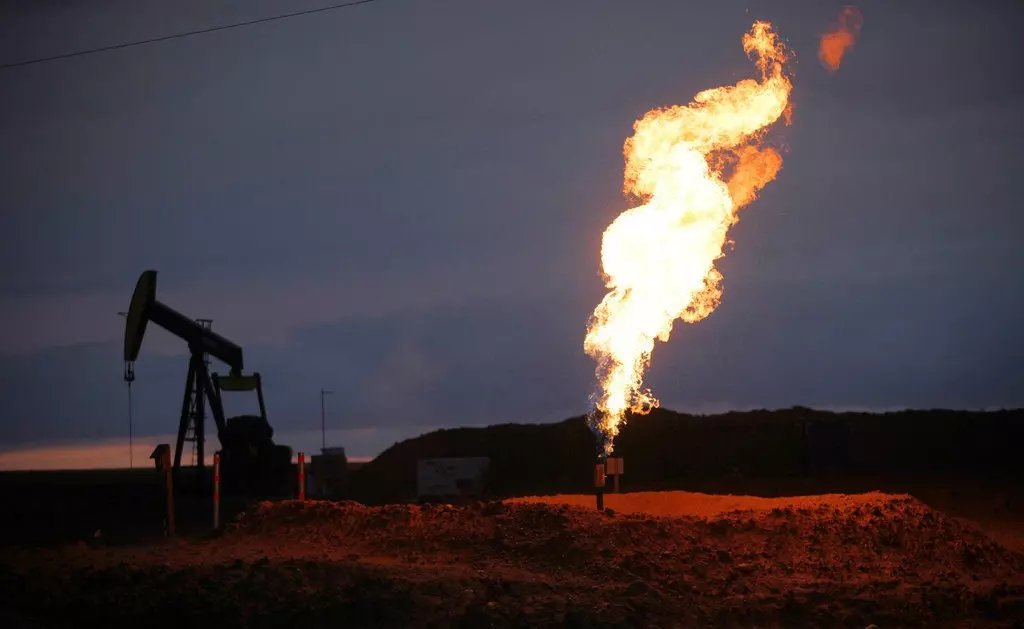
Natural gas can be burned in a turbine that turns a generator to create electricity. The waste heat from this can be used to heat water to produce steam. This steam is used to create more electricity by turning another turbine and generator.
Some natural gas power stations can turn the waste heat into more energy! It uses the heat to boil water and produce steam, creating even more electricity by turning another turbine and generator.
What are the advantages of using natural gas?
- Gas-fired power stations can be more efficient and produce more electricity per tonne of carbon dioxide than other fossil fuel power plants.
- Gas can be piped into and around the country.
- Gas-fired power stations can, in theory, be built anywhere.
What are the disadvantages of using natural gas?
- Natural gas is a non-renewable source of energy. This means that one day we will run out of natural gas.
- Burning gas produces carbon dioxide gas. This is a greenhouse gas that contributes towards climate change.
- Burning gas can pollute the air.
- Like coal, much of our gas has to be imported. It is becoming more and more expensive as UK reserves reduce and imports increase.
📖 Words to know
- Fossil fuel
- A natural substance formed over millions of years from the buried remains of ancient living things. Coal, oil and gas are all fossil fuels.
- Non-renewable
- An energy source that cannot be replaced, and will one day run out.
- Turbine
- A device that uses moving water or air to spin a rotator and make electric power.
- Greenhouse gases
- Gases in the Earth’s atmosphere that trap heat. Carbon dioxide and methane are both greenhouse gases.
⚠️ Watch out!
Where Britain’s electricity comes from
In spring 2026, more than half of Britain’s electricity — 53% — came from renewables like wind and solar. Most of the rest came from gas (29%) and nuclear power (17%).
Figures: UK government Energy Trends, March to May 2026.
🎧 Listen and watch
- The National Grid Today — how electricity gets from a power station to your plug.
- Energy Grids in the Future — what the system might look like when it runs on renewables.
How much do you know about natural gas?
Natural gas is mostly made of one gas. Which?
- Methane
- Oxygen
- Helium
- Steam
Which makes more of Britain's electricity today?
- Renewables, like wind and solar
- Gas
- Coal
- Oil
Where is natural gas found?
- In reservoirs deep underground and under the sea
- In clouds
- In volcanoes
- In trees
We’ve got a whole series about energy, electricity, and power generation! It’s called Curious Kate, and you can listen to it below!
Add a comment